
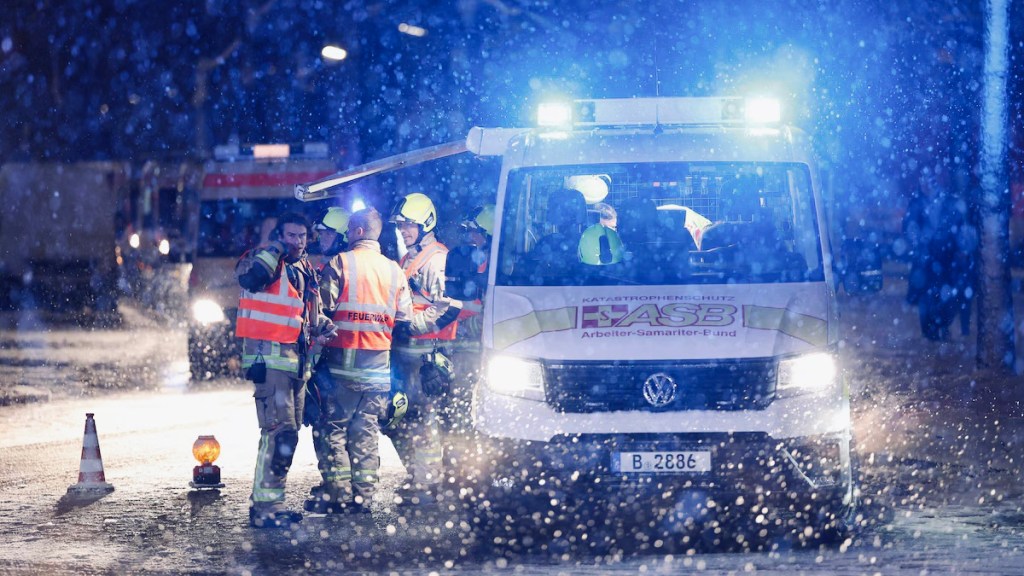
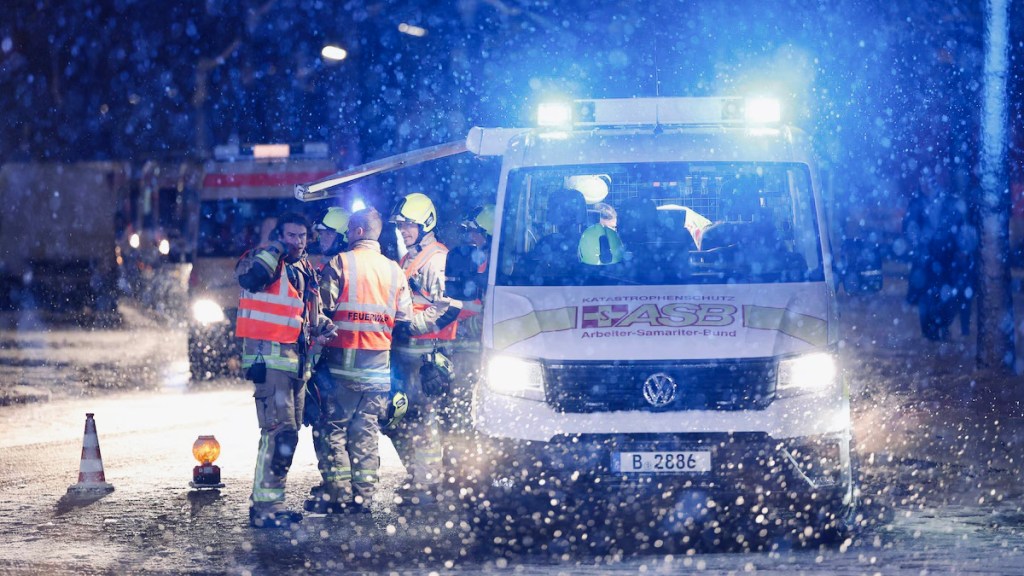
A major power outage in southwest Berlin is being investigated as a deliberate act of sabotage, raising concerns about the security of Germany’s critical infrastructure.
Around 100,000 people in roughly 45,000 households lost electricity and heating during freezing January temperatures. Hospitals switched to emergency generators and public transport was disrupted. Authorities later confirmed the blackout was caused by an arson attack on bundled power cables crossing the Teltow Canal.
A group calling itself Vulkangruppe, described by officials as a left-wing extremist organisation, has claimed responsibility.
Key developments:
• Arson attack targeted multiple above-ground power cables at a known weak point.
• Vulkangruppe framed the attack as opposition to fossil fuels and data centres.
• German authorities say the claim appears credible, but investigations continue.
• Experts warn of rising risks from extremism and hybrid threats, including potential foreign interference.
Christian Rehtanz, Professor of Energy Systems at Dortmund Technical University, said infrastructure cannot be fully protected and resilience depends on redundancy and preparedness.
The German Red Cross (DRK) called for stronger civil protection measures following the disruption.
Officials have not presented evidence linking the incident to Russia, despite broader concerns about hybrid warfare.
Follow on social media TikTok@tut0ughInstagram@tut0ugh Threads@tut0ugh X@tut0ugh YouTube@tut0ugh


 tut0ugh