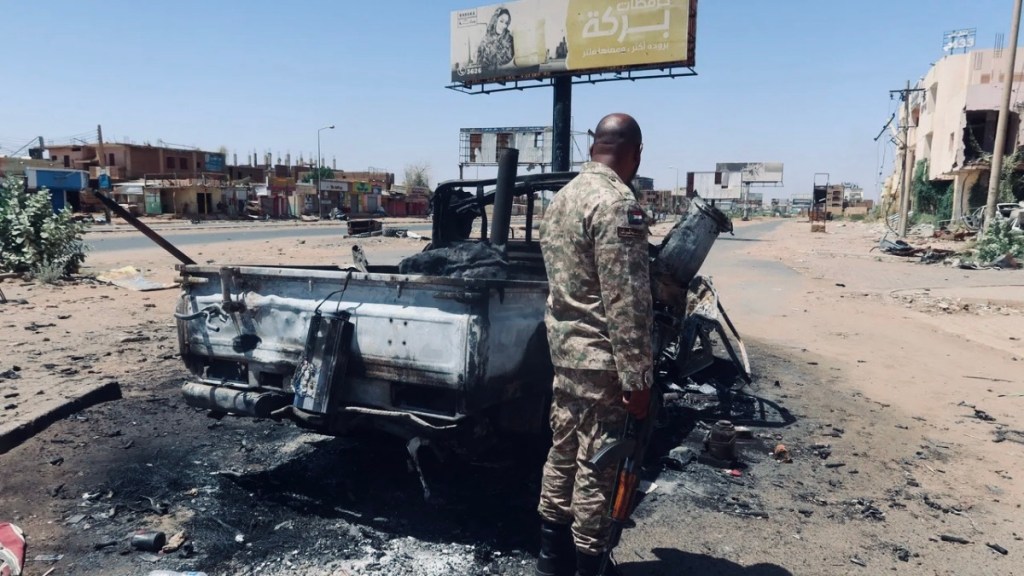
Sudan’s economy is under severe strain nearly three years into the war between the Sudanese Armed Forces and the Rapid Support Forces (RSF), according to Finance Minister Gibril Ibrahim.
Ibrahim said the conflict wiped out most state revenues after the RSF seized Khartoum, which had generated around 80% of government income. Although the government has announced a return to the capital, much of the economic administration remains displaced.
Gold output is rising, but most production is smuggled abroad, mainly to the Gulf, limiting official revenues. Agriculture, livestock exports, and oil income have also fallen sharply, particularly in Darfur and Kordofan.
The government now plans public-private partnerships to fund reconstruction, including potential Red Sea port projects, while military spending continues to dominate the national budget.
Sudan remains burdened by extreme inflation, currency collapse, and one of the world’s highest public debt levels.
Key developments
• 70 tonnes of gold produced in 2025; only 20 tonnes exported officially
• Agricultural exports down 43%; livestock exports down 55%
• Oil revenues down over 50%; Al-Jaili refinery badly damaged
• 40% of the 2025 budget allocated to the war
• Reconstruction needs estimated at $200 billion
• Public debt at 221% of GDP in 2025
• Inflation at 151% in 2025; currency at ~3,500 SDG/USD (black market)
ℹ️ africanews
Follow on social media TikTok@tut0ughInstagram@tut0ugh Threads@tut0ugh X@tut0ugh YouTube@tut0ugh



 tut0ugh