
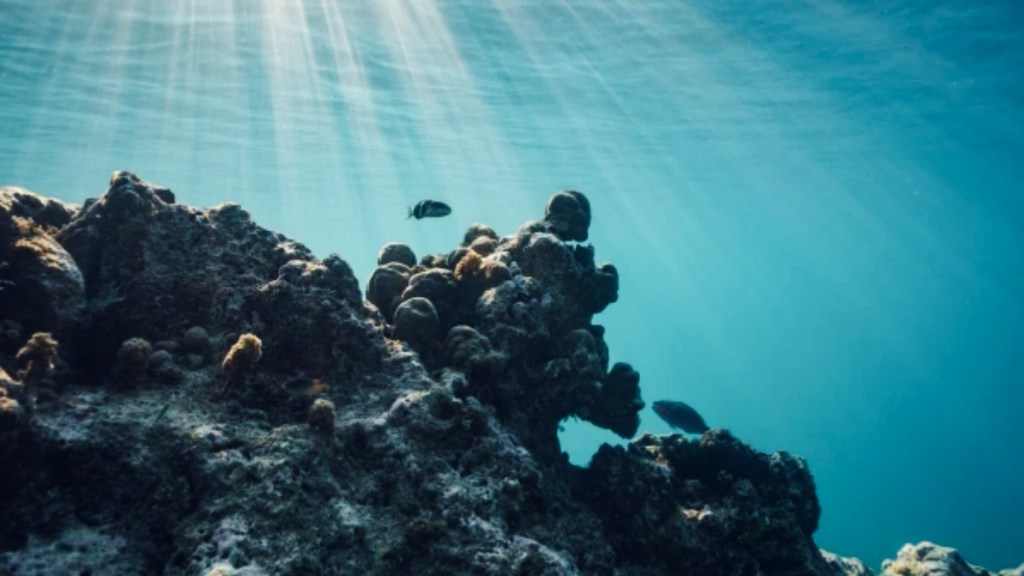
The world’s first legally binding agreement to protect marine life in international waters entered into force on Saturday (17 January), marking a milestone for global ocean governance after nearly 20 years of negotiations.
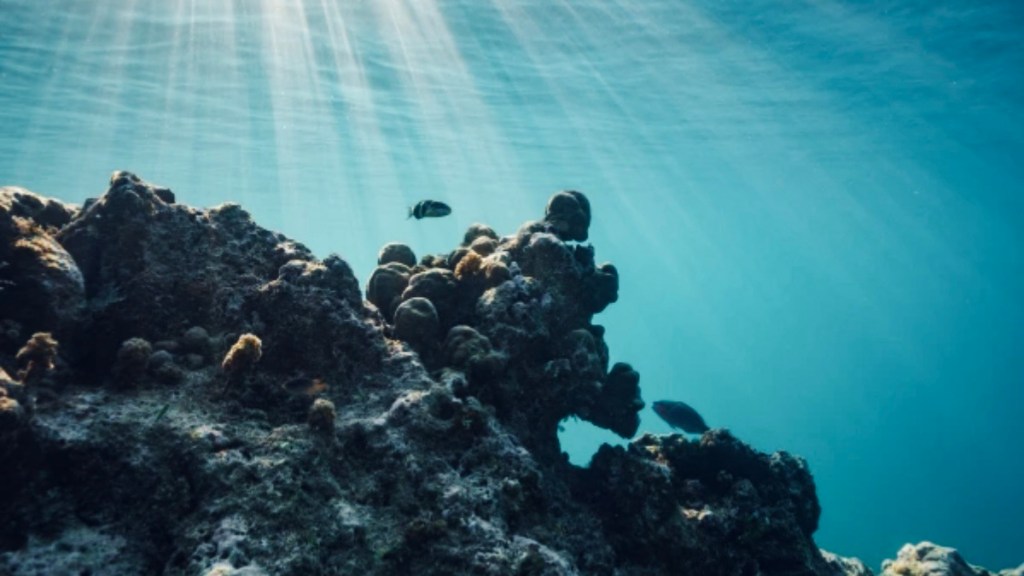
The High Seas Treaty, formally known as the Agreement on the Conservation and Sustainable Use of Marine Biological Diversity of Areas Beyond National Jurisdiction, covers ocean areas beyond national jurisdiction — nearly half of the planet’s surface — and targets mounting pressures from overfishing, pollution, shipping, deep-sea mining and climate change.
Key developments
• 83 countries have ratified, including China and Japan
• Establishes a framework for Marine Protected Areas (MPAs) on the high seas
• Requires environmental impact assessments for potentially harmful activities
• Mandates cooperation on ocean science and capacity-building for developing states
Only around 1% of high seas waters are currently protected. Conservation groups say rapid implementation is essential to meet the global target of protecting 30% of oceans by 2030.
The United States and United Kingdom have signed but not ratified the treaty, limiting their formal decision-making role.
ℹ️ AP News, The Guardian
Follow on social media TikTok@tut0ughInstagram@tut0ugh Threads@tut0ugh X@tut0ugh YouTube@tut0ugh

 tut0ugh