
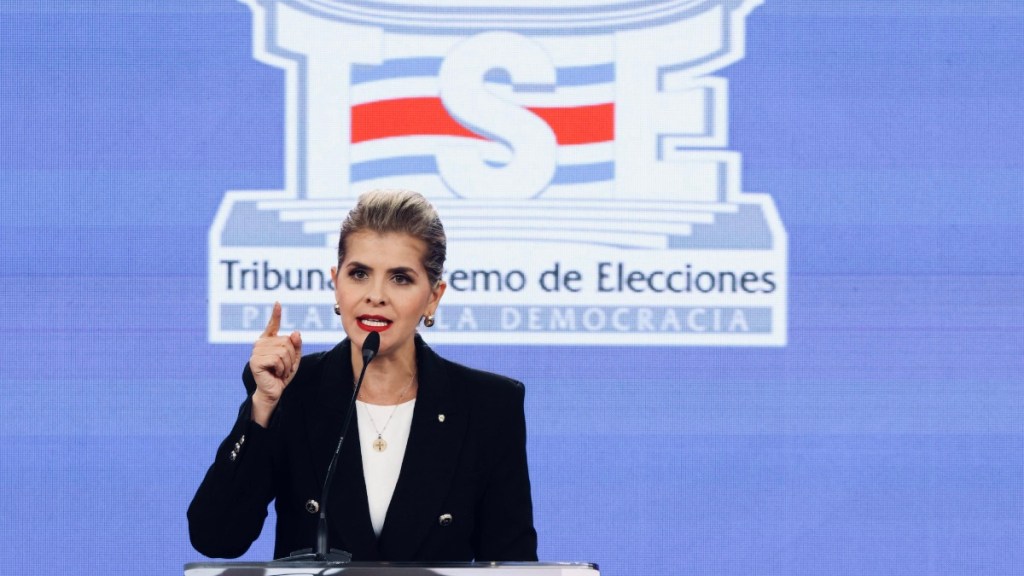
Costa Rica votes in a tightly watched presidential election on Sunday (1 February) as the ruling movement aligned with outgoing president Rodrigo Chaves, President of Costa Rica, seeks to retain power amid voter apathy and a fragmented opposition.
Polling suggests continuity candidate Laura Fernández, former minister and chief of staff, is leading, but a large bloc of undecided voters adds uncertainty ahead of the vote.
Key developments
• Voting covers the presidency, two vice-presidential posts, and 57 legislative seats.
• A 40% threshold is required to avoid a run-off on April 5.
• Around 3.7 million voters are eligible; enthusiasm remains low.
• Security and crime have overtaken the economy as the top voter concern.
Fernández, representing the Sovereign People Party (PPSO), has pledged continuity with Chaves-era policies, including tougher security measures. Opposition candidates remain divided, raising the prospect of a first-round victory despite Costa Rica’s volatile electoral history.
ℹ️ Al Jazeera
Follow on social media TikTok@tut0ughInstagram@tut0ugh Threads@tut0ugh X@tut0ugh YouTube@tut0ugh


 tut0ugh