
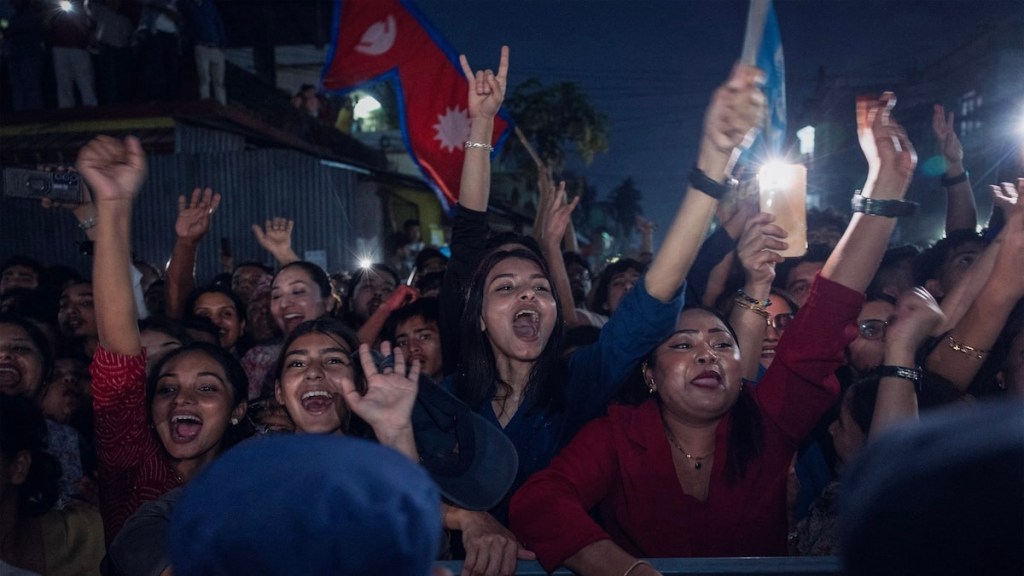
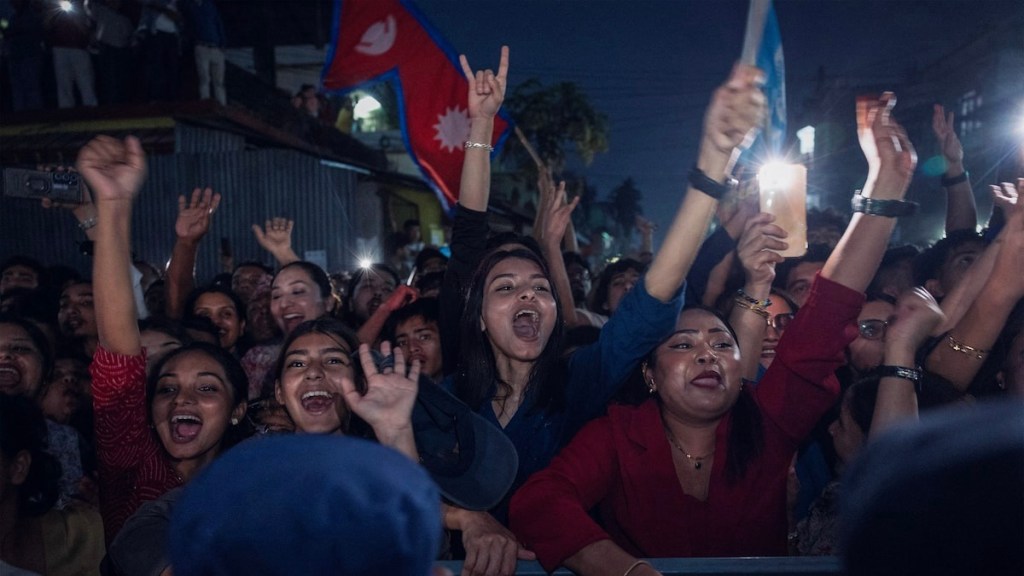
Nepal’s Rastriya Swatantra Party (RSP) has secured a landslide victory in the country’s latest parliamentary election, the first since youth-led protests toppled the previous government in 2025.
The party won 182 seats in the House of Representatives, narrowly missing a two-thirds supermajority by two seats. The result places Balendra Shah, the RSP leader and mayor of Kathmandu, on course to lead the next government once coalition arrangements are finalised.
The election marks a dramatic rise for the RSP, founded in 2022, reflecting strong public demand for political change after months of unrest and criticism of Nepal’s political elite.
Key developments
• RSP: 182 seats in parliament’s lower house.
• Nepali Congress: 38 seats; Communist Party of Nepal–UML (CPN-UML): 25 seats.
• Voter turnout: about 60% of nearly 19 million eligible voters.
• Former prime minister KP Sharma Oli lost his seat in Jhapa-5 to Balendra Shah.
The protests that preceded the vote were driven largely by young Nepalis demanding action on unemployment, economic stagnation, and inequality, reshaping the country’s political landscape.
ℹ️ BBC News
Follow on social media TikTok@tut0ughInstagram@tut0ugh Threads@tut0ugh X@tut0ugh YouTube@tut0ugh

 tut0ugh