
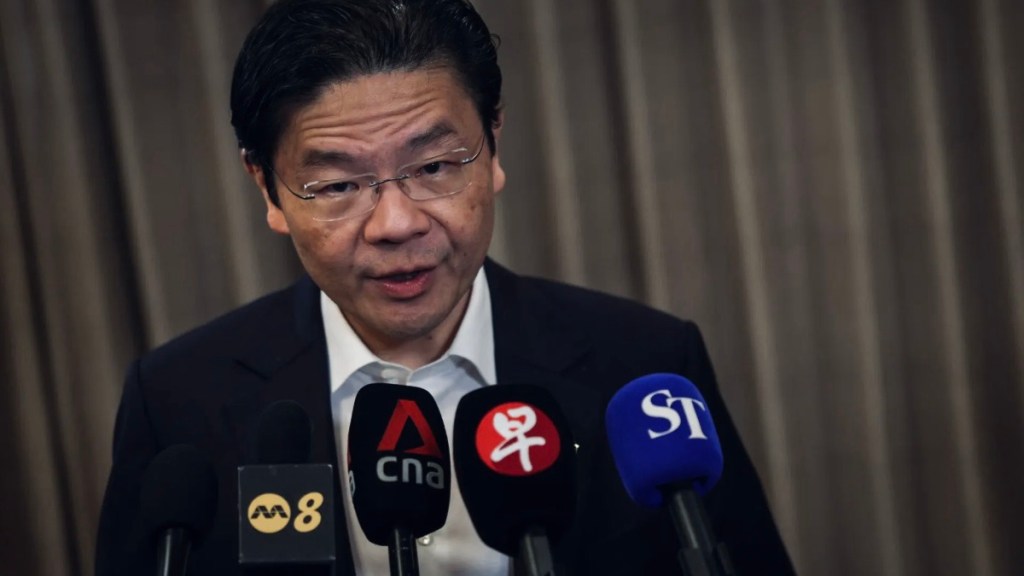
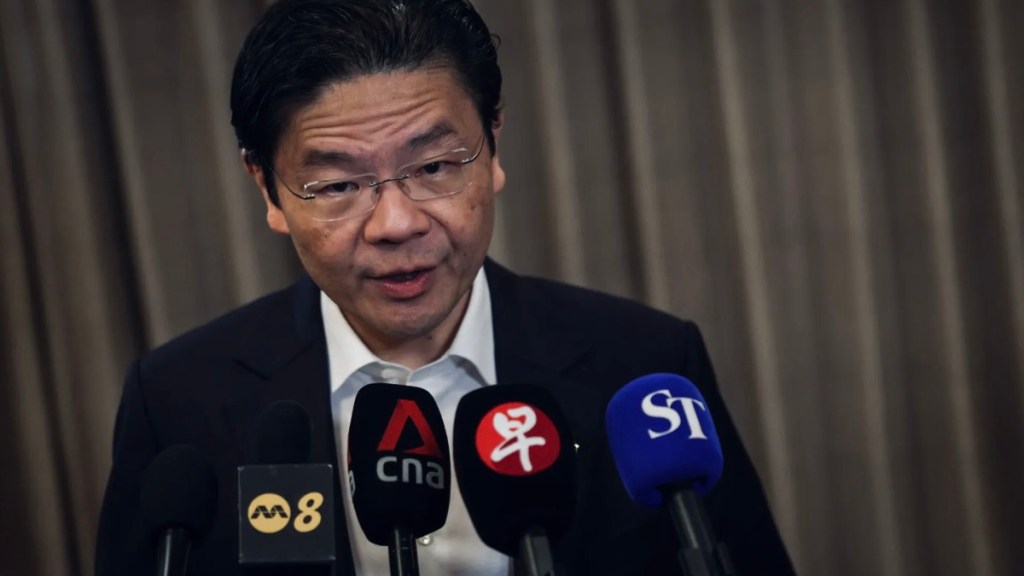
Prime Minister Lawrence Wong of Singapore has warned that continued disruption in the Strait of Hormuz could have far-reaching consequences for the global economy, cautioning that “a prolonged blockage of the strait will have significant implications for the global economy and may tip the global economy into a tail spin, into a downturn or even a recession.”
Speaking during an official visit to Japan, Wong stressed that the key risk extends beyond military activity to whether the strategic shipping route remains blocked. While much attention has focused on oil and gas, Wong highlighted broader supply chain vulnerabilities.
He warned that disruptions could affect fertiliser supplies and food production, while around 30% of global helium — critical for MRI machines and semiconductor manufacturing — transits the Strait.
The status of the waterway remains contested. Iranian Foreign Minister Abbas Araghchi has said Iran has not formally closed the Strait, despite reports of severe disruption. In practice, reduced shipping traffic and heightened security risks have created what analysts describe as a de facto blockage.
Across Asia, the disruption is already straining energy supply and prices, prompting governments to act. Import-dependent economies such as Japan and India are seeking alternative fuel sources, while others — including South Korea and parts of South and Southeast Asia — are increasing coal use to offset tighter gas supplies.
In some cases, fuel has been prioritised for households over industry, and export controls introduced to protect domestic markets.
The response underscores how prolonged instability in the Strait of Hormuz is forcing Asian economies to adapt rapidly to energy and supply chain shocks.
ℹ️ CNA
Follow on social media TikTok@tut0ughInstagram@tut0ugh Threads@tut0ugh X@tut0ugh YouTube@tut0ugh


 tut0ugh