
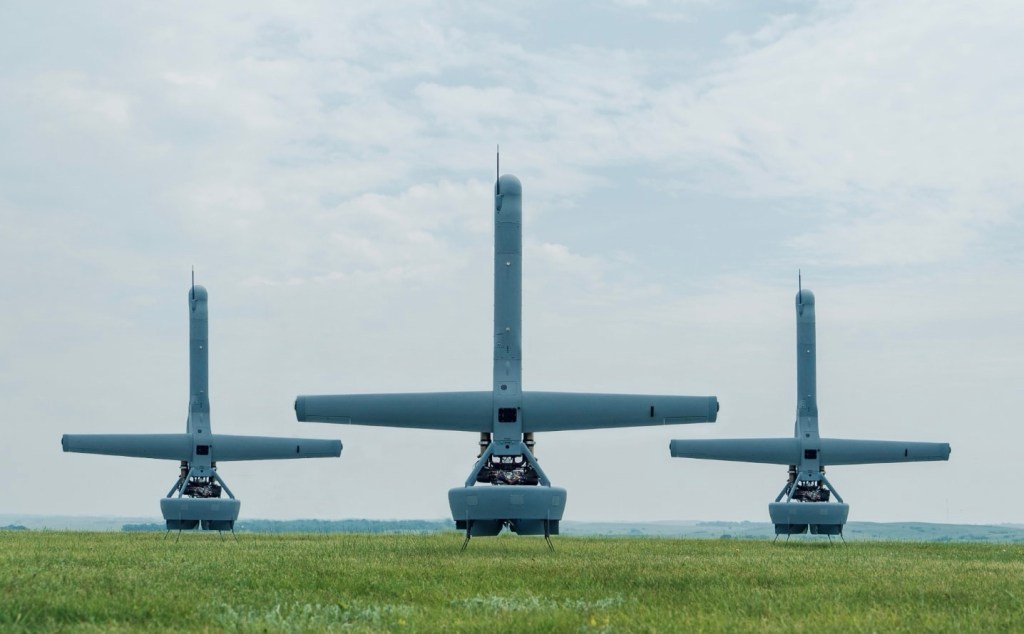
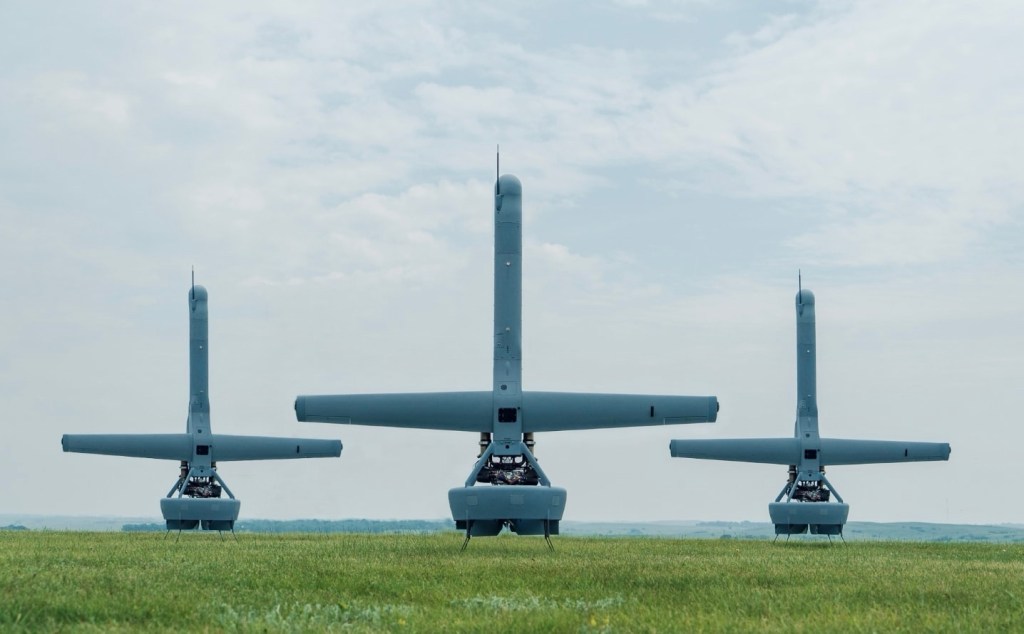
Autonomous warfare is accelerating, with artificial intelligence increasingly deployed in military drones and aircraft. Systems developed by companies such as Shield AI enable unmanned platforms to operate without direct human control, even in GPS-denied or jammed environments.
The company’s AI pilot software allows drones such as the V-BAT to conduct surveillance missions, including in conflict zones like Ukraine. The same technology is being extended to crewed aircraft, signalling a shift towards self-operating fighter jets.
Brandon Tseng, Co-founder of Shield AI, said AI-piloted F-16 aircraft were tested against human pilots in 2023, marking a milestone in autonomous combat aviation. He added that major militaries are moving towards large-scale drone forces supported by AI command systems.
“Over the next 5 years, you will see nearly every serious military in the world make a statement that they are building towards a million drone army, a 5 million drone army, a 10 million drone army,” Tseng predicted.
The expansion of AI-enabled autonomy carries significant geopolitical and economic implications. Militarily, it may reshape deterrence, lower operational costs, and shift power towards states capable of scaling autonomous systems.
Beyond defence, the same technologies underpinning AI pilots and autonomous navigation have growing commercial applications—from logistics and supply chain optimisation to disaster response, infrastructure inspection, and agriculture.
As investment accelerates, dual-use innovation is likely to diffuse across sectors, raising both opportunities for productivity gains and challenges around regulation, safety, and governance.
ℹ️ BBC News
Follow on social media TikTok@tut0ughInstagram@tut0ugh Threads@tut0ugh X@tut0ugh YouTube@tut0ugh


 tut0ugh