
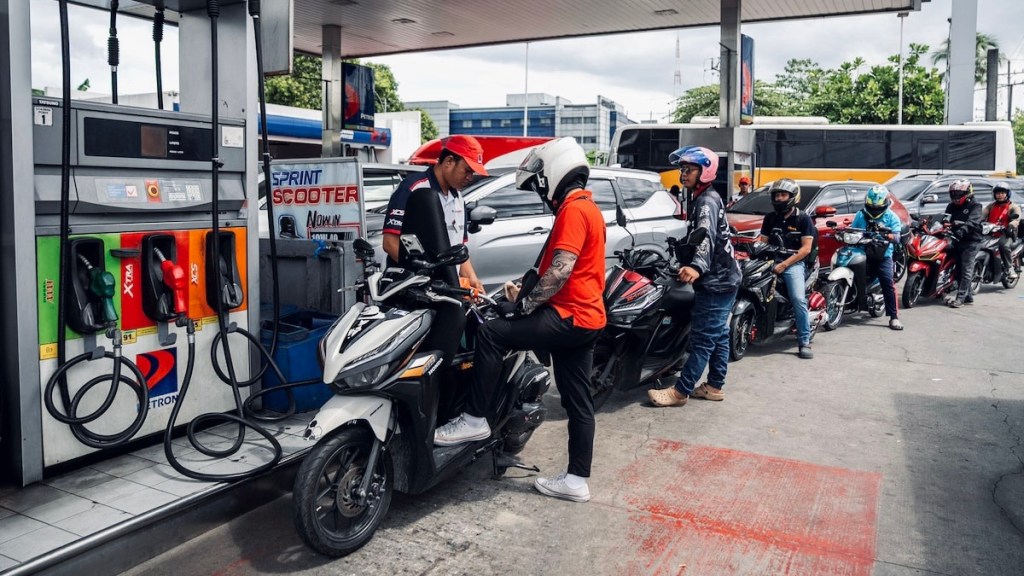
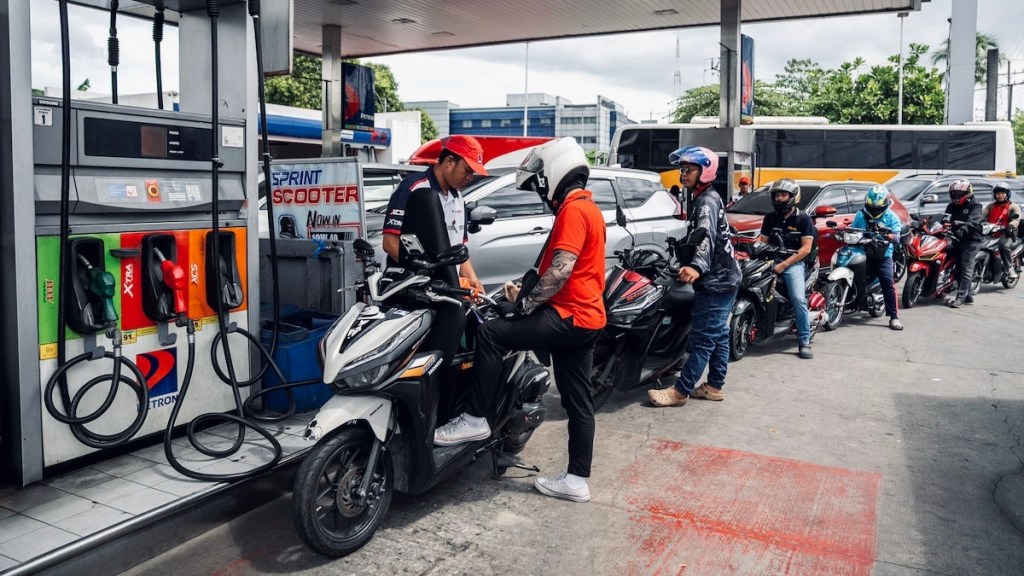
Philippine President Ferdinand R. Marcos Jr. has declared a national energy emergency, citing “the ongoing conflict in the Middle East” and the resulting “imminent danger” to the availability and stability of the country’s energy supply, the Presidential Communications Office said.
The declaration, issued via Executive Order under the Department of Energy Act of 1992, enables coordinated emergency measures following a recommendation by the Secretary of Energy.
Under the government’s UPLIFT framework, agencies are directed to stabilise supply, support transport and vulnerable sectors, and maintain economic continuity. The Department of Energy is authorised to enforce conservation measures, counter market manipulation, and secure fuel procurement.
Philippine Energy Secretary Sharon Garin earlier on Tuesday (24 March) told a news briefing that the country had around 45 days of fuel supply based on current consumption levels.
She said the government was working to procure 1 million barrels of oil from countries within and outside Southeast Asia to build its buffer stock, but there will likely be uncertainties in the next round of orders.
Key developments:
• Diesel prices have doubled, exceeding 120 pesos per litre
• Subsidies and social support expanded under UPLIFT
• Emergency measures set for up to one year
Mr Marcos warned the Philippines is “a victim of a war not of our choosing”, as economists flag risks to remittances and economic stability.
ℹ️ Presidential Communications Office, Reuters, nytimes
Follow on social media TikTok@tut0ughInstagram@tut0ugh Threads@tut0ugh X@tut0ugh YouTube@tut0ugh


 tut0ugh