
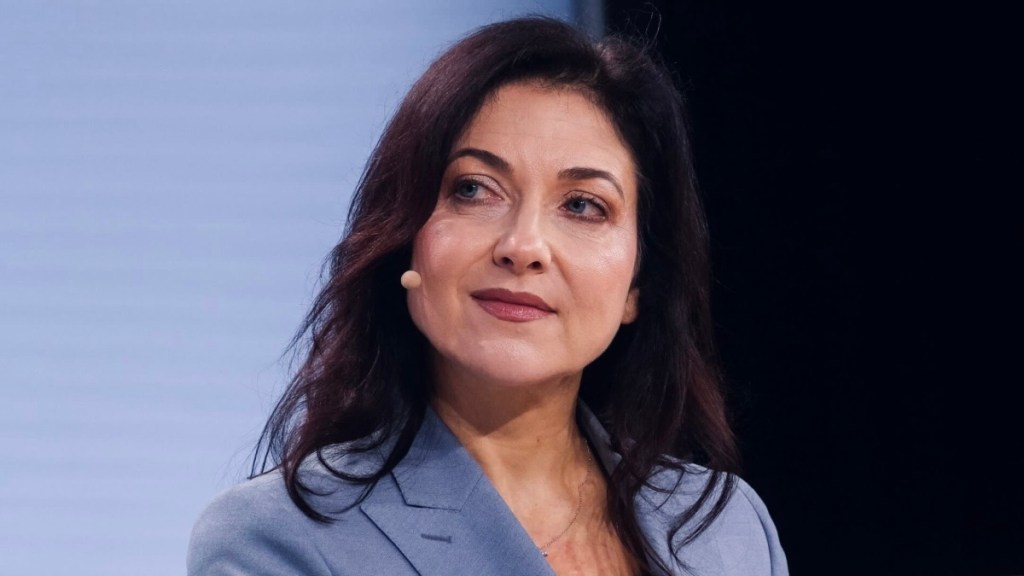
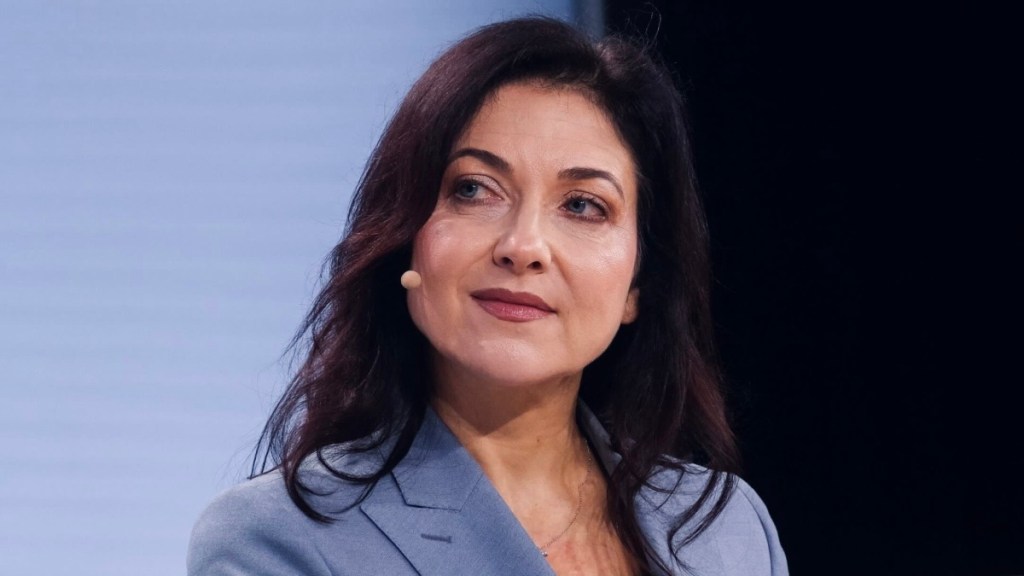
Katherina Reiche, Germany’s Federal Minister for Economic Affairs and Energy, has called for a reassessment of the country’s opposition to nuclear power, citing rising reliance on gas and exposure to energy shocks.
Speaking at an investor conference, Reiche said Germany now has “no alternative” but gas for baseload energy, reflecting the long-term impact of the nuclear phaseout under Angela Merkel and Olaf Scholz.
European energy markets remain volatile amid the Iran conflict, with gas prices up over 60% and German electricity costs significantly exceeding those of nuclear-reliant France.
Key developments:
• Gas dependency has increased following Germany’s nuclear exit and the loss of Russian pipeline supplies after 2022
• Electricity prices in Germany are around four times higher than in France, driven by energy mix differences
• Economic growth forecasts for 2026 cut to 0.6% due to sustained energy cost pressures
• Policy shift signals include openness to nuclear technologies like small modular reactors and fusion
Alongside France, countries including Sweden and Poland are either investing in new nuclear stations or extending reactors’ lifespans because the electricity is low carbon and reliable.
Reiche urged Germany to engage in Europe’s nuclear revival to retain industrial competitiveness and strategic influence.
Follow on social media TikTok@tut0ughInstagram@tut0ugh Threads@tut0ugh X@tut0ugh YouTube@tut0ugh


 tut0ugh