
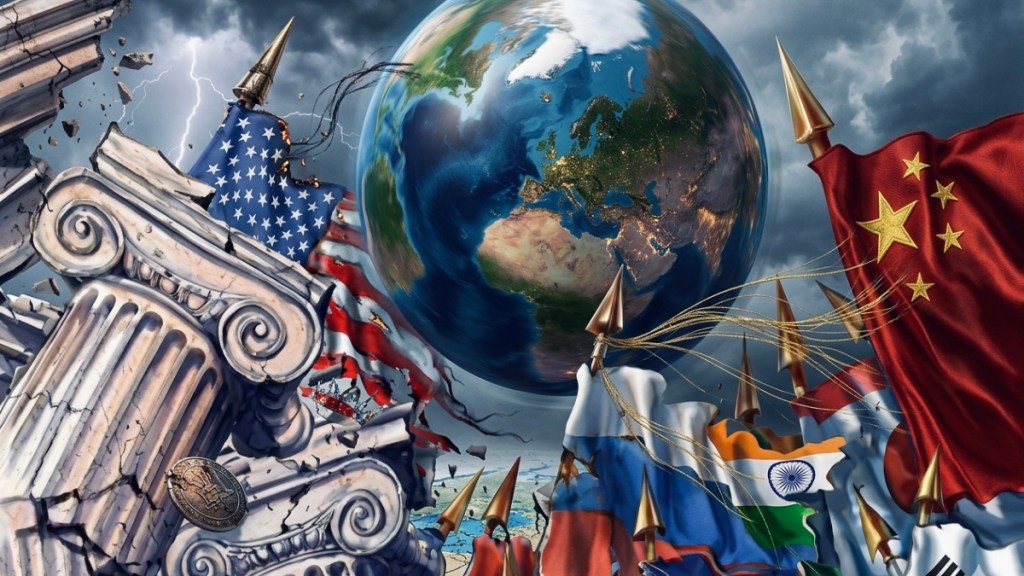
Professor Joseph Liow, Dean of the Lee Kuan Yew School of Public Policy and Chairman of the Middle East Institute at the National University of Singapore, has highlighted the growing impact of Great Power Competition on Southeast Asia.
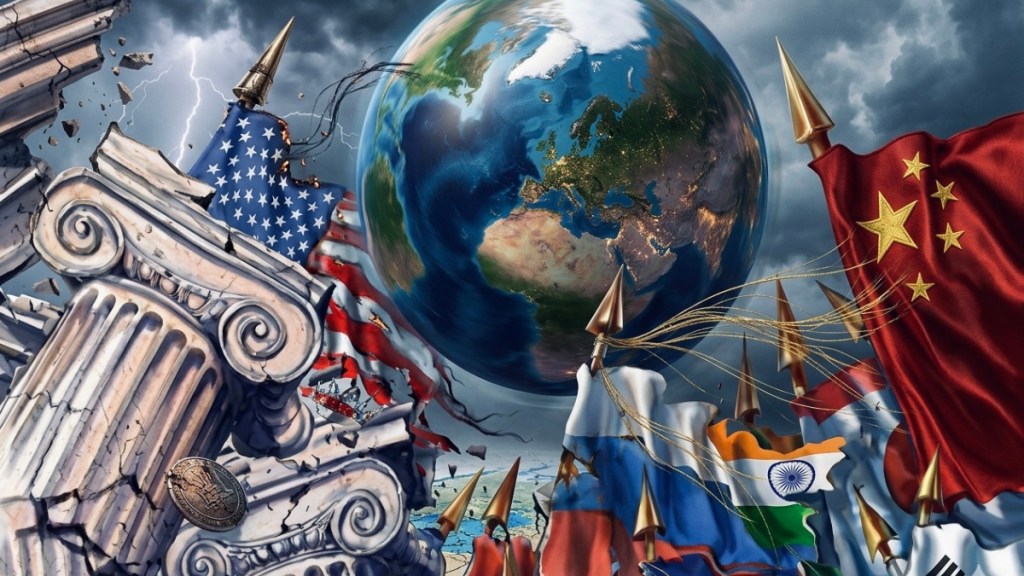
In a recent tut0ugh interview, Liow discussed how strategic rivalry between the United States and China now spans military, economic, technological, and trade domains. He emphasised the particular vulnerability of Southeast Asian nations, which rely heavily on an open, interconnected trading system fostered by decades of globalisation.
Diplomatic and economic friction between the US and China persists in 2026, with recent reciprocal trade probes and ongoing tariff disputes illustrating continued commercial tension.
Meanwhile, strategic shifts in the Indo‑Pacific — including evolving security cooperation among US allies and Beijing’s deepening partnership with Moscow — reflect broader realignments in regional power dynamics and contribute to the very competition Liow described.
Follow on social media TikTok@tut0ughInstagram@tut0ugh Threads@tut0ugh X@tut0ugh YouTube@tut0ugh

 tut0ugh