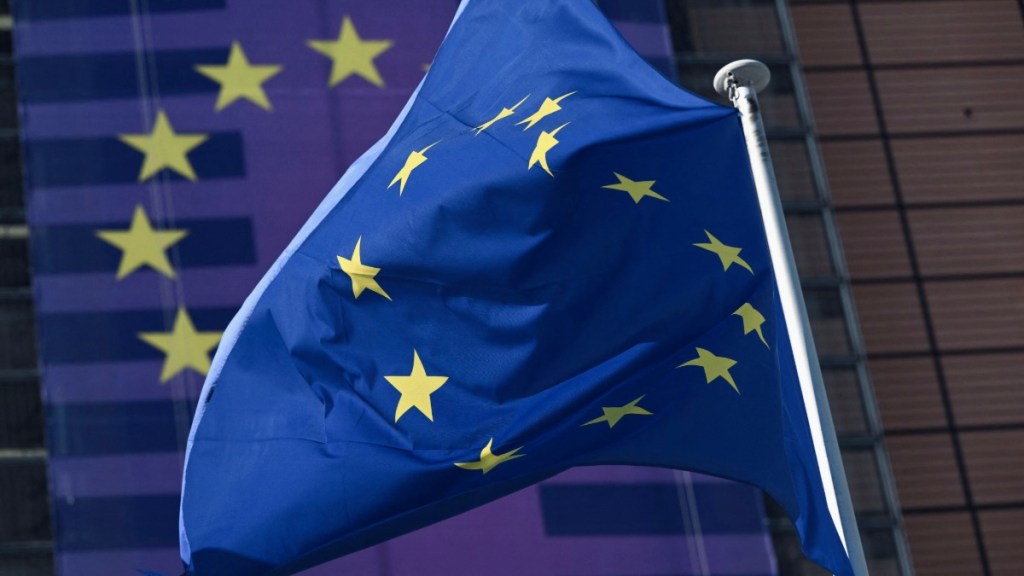
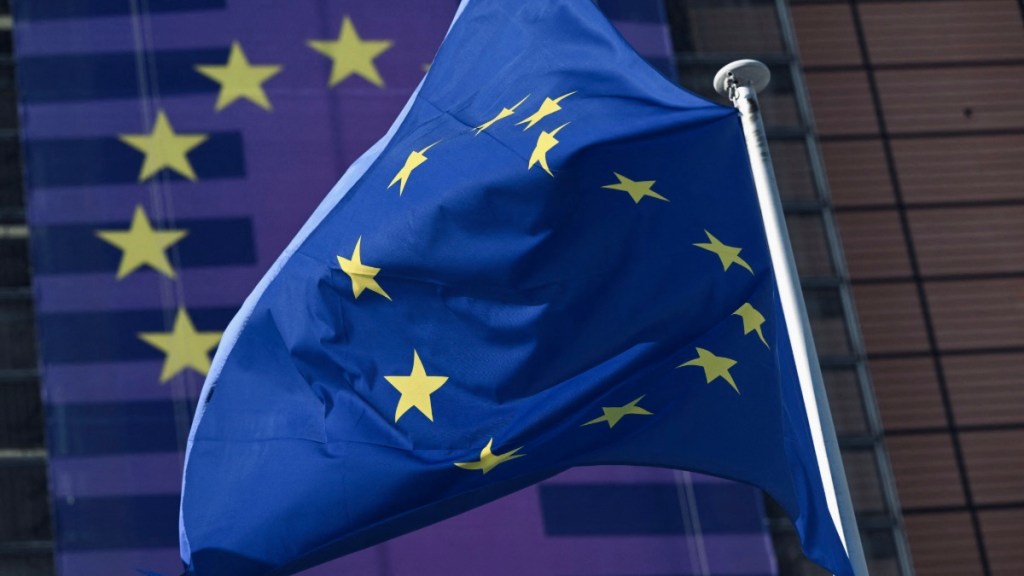
The European Union is evaluating a range of measures, including potential fuel rationing and further releases from emergency oil reserves, as it prepares for a “long-lasting” energy shock stemming from the Middle East conflict, EU Energy Commissioner Dan Jørgensen has said.
“This will be a long crisis . . . energy prices will be higher for a very long time,” Dan Jørgensen told the FT, warning that for some more “critical” products “we expect it to be even worse in the weeks to come”.
“The rhetoric that we’re using and the words we’re using are more serious now than they were earlier in the crisis,” Jørgensen said. “It certainly is our analysis that this will be a prolonged situation and countries need to be sure that they . . . have what they need.”
He said that while the EU was “not in a security of supply crisis, yet”, Brussels was drawing up plans to tackle “structural, long-lasting effects” of the conflict.
“We are looking at all possibilities and it’s clear the more serious the situation gets, the more of course we will also have to look into legislative tools,” he added.
Key developments:
• Near closure of the Strait of Hormuz and Gulf infrastructure strikes have disrupted global energy markets.
• The EU recently conducted its largest-ever release of strategic oil reserves to ease price surges.
• Officials are assessing legislative options, including potential adjustments to jet fuel regulations and ethanol blending, though no changes have been made.
• The bloc does not plan to end Russian LNG imports this year, relying instead on US and other partner supplies.
Jørgensen emphasised that while the EU is not yet in a supply crisis, preparing for structural, long-term effects is critical to safeguarding energy security.
Follow on social media TikTok@tut0ughInstagram@tut0ugh Threads@tut0ugh X@tut0ugh YouTube@tut0ugh


 tut0ugh