
Category: Asia-Pacific
Coverage of geopolitics, international relations, and current affairs from across Asia-Pacific, including China, India, Southeast Asia, and Pacific nations, with a focus on security, trade, and regional diplomacy.
-
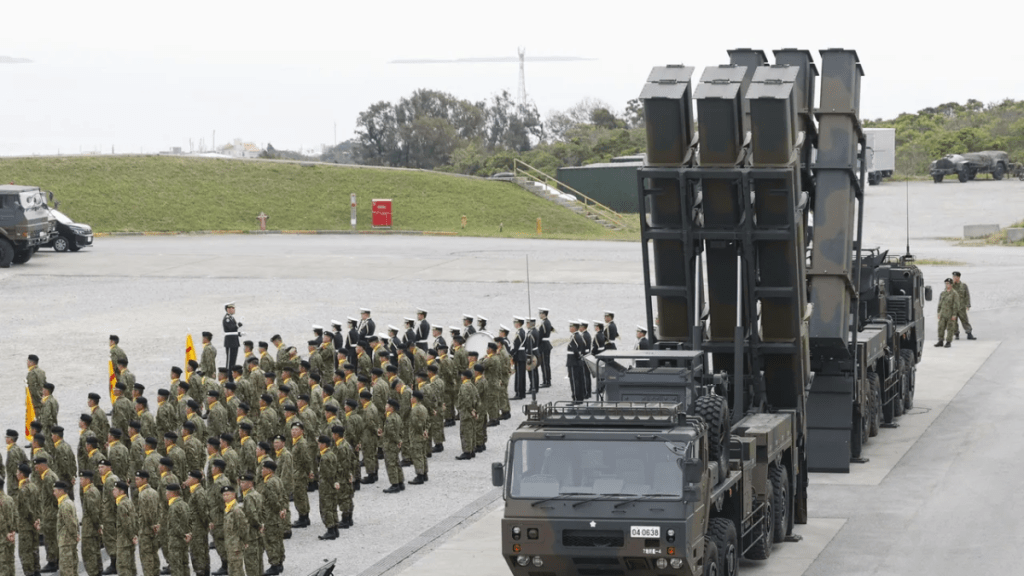
Japan’s cabinet has approved a record ¥9 trillion (around $58bn / £44bn) defence budget for the next fiscal year, marking a 9.4% annual increase and the fourth year of its plan to lift military spending to 2% of GDP. The decision comes amid deteriorating relations with China and rising tensions over Taiwan. The budget prioritises…
-
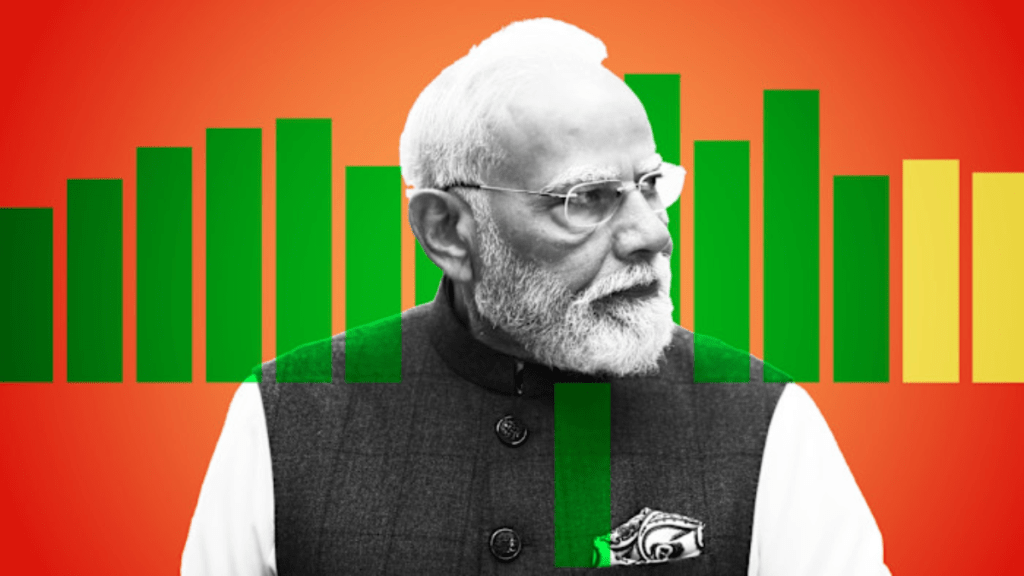
Prime Minister Narendra Modi has launched a renewed “reform express” as India seeks to strengthen growth, attract investment and navigate rising geopolitical and trade pressures. After recent state-level election wins, the government moved quickly to revive long-delayed economic reforms. Key developments: • Parliament approved reforms to open nuclear power to private firms and relax foreign…
-
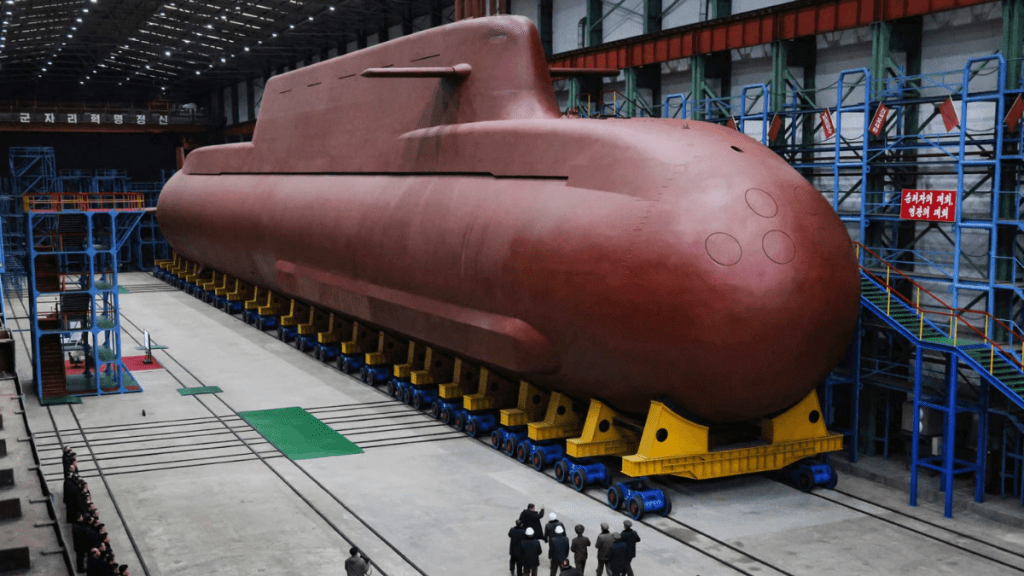
North Korea has released new state media images suggesting significant progress on a nuclear-powered submarine, a platform intended to strengthen its nuclear deterrent and maritime strike capability. Photos published by Korean Central News Agency (KCNA) show Kim Jong Un, Supreme Leader of North Korea, inspecting what Pyongyang describes as an 8,700-ton-class nuclear-propelled submarine at a…
-
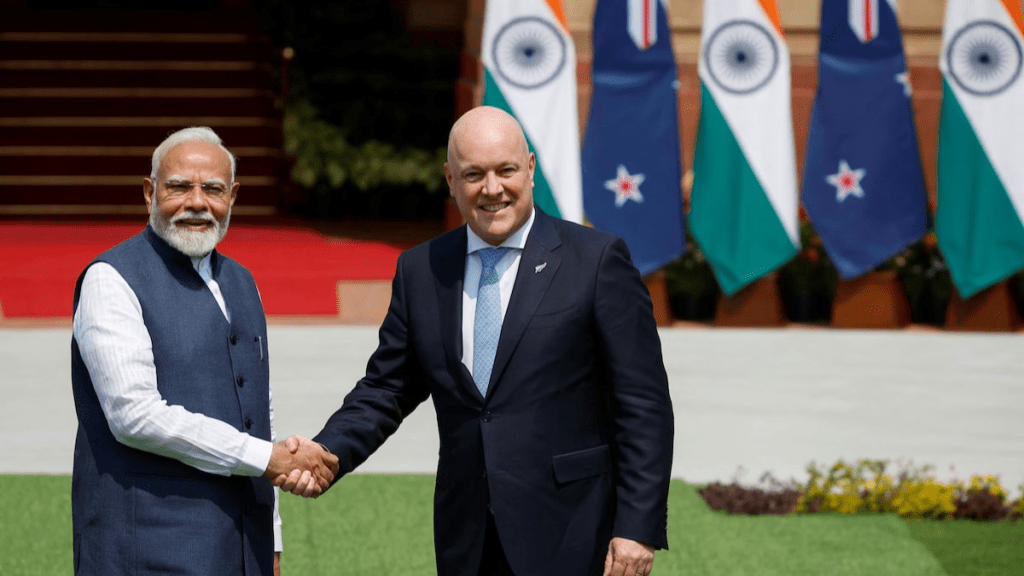
New Zealand and India have concluded negotiations on a Free Trade Agreement (FTA), announced on 22 December 2025, marking a significant expansion of their economic partnership. India is a strategic priority for New Zealand due to its economic scale, regional influence, and growing middle class. Despite this, India is currently only New Zealand’s 12th-largest export…
-
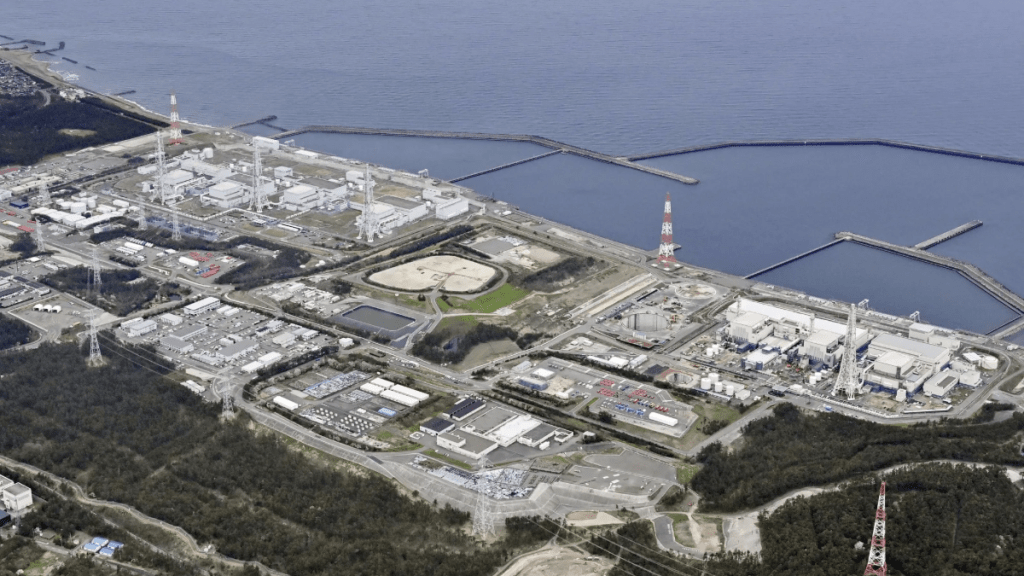
Japan has taken a decisive step towards restarting the world’s largest nuclear power plant after a regional assembly vote in Niigata backed the local governor’s approval. The decision clears a major hurdle for the Kashiwazaki-Kariwa facility, operated by Tokyo Electric Power Company (TEPCO), nearly 15 years after the Fukushima nuclear disaster. Key developments • A…
-

Fresh fighting has erupted along the Thailand–Cambodia border as Southeast Asian foreign ministers convened in Kuala Lumpur for ASEAN-led talks aimed at restoring a ceasefire. Clashes early on Monday (Dec. 22) threatened diplomatic efforts to revive a truce first brokered in July by Malaysia, with support from the United States. The conflict, which resumed on…
-
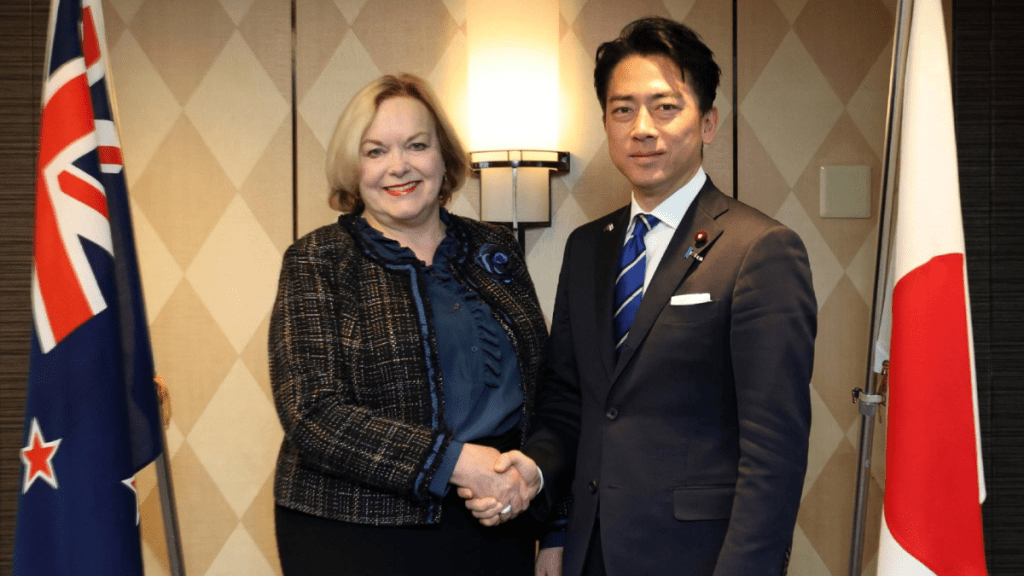
Japan and New Zealand have signed two defence agreements aimed at deepening military cooperation and interoperability in the Indo-Pacific. New Zealand Defence Minister Judith Collins and Japanese Foreign Minister Toshimitsu Motegi formalised an Acquisition and Cross-Servicing Agreement (ACSA) and an Information Security Agreement (ISA) in Tokyo. Key developments • The ACSA enables the sharing of…
-
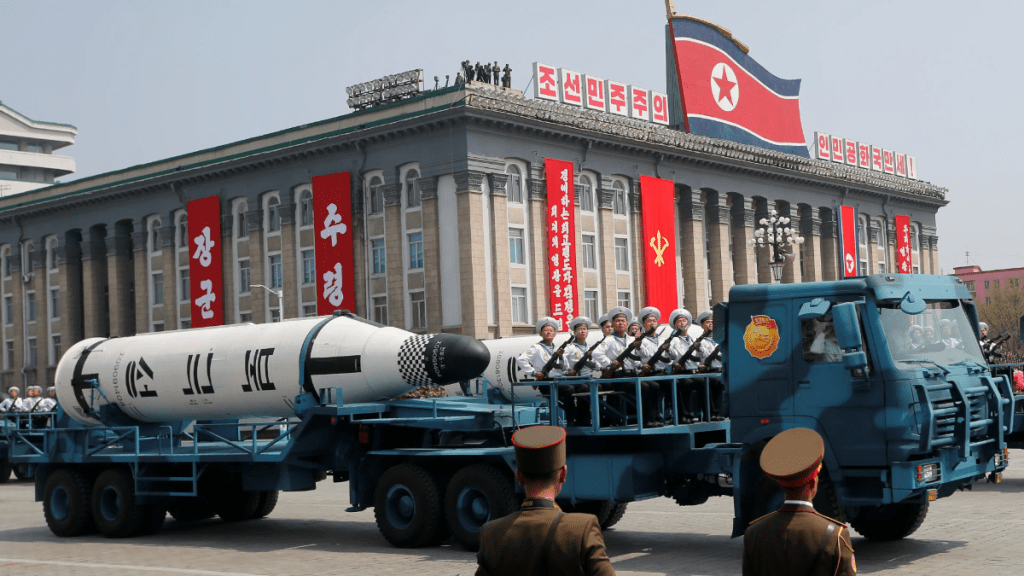
North Korea has condemned comments attributed to a senior Japanese government official suggesting Tokyo may need nuclear weapons, warning such a move would pose a global threat. In a statement carried by Korean Central News Agency (KCNA), the director of the Institute for Japan Studies under Pyongyang’s Foreign Ministry said Japan’s alleged “nuclear ambitions” must…
-
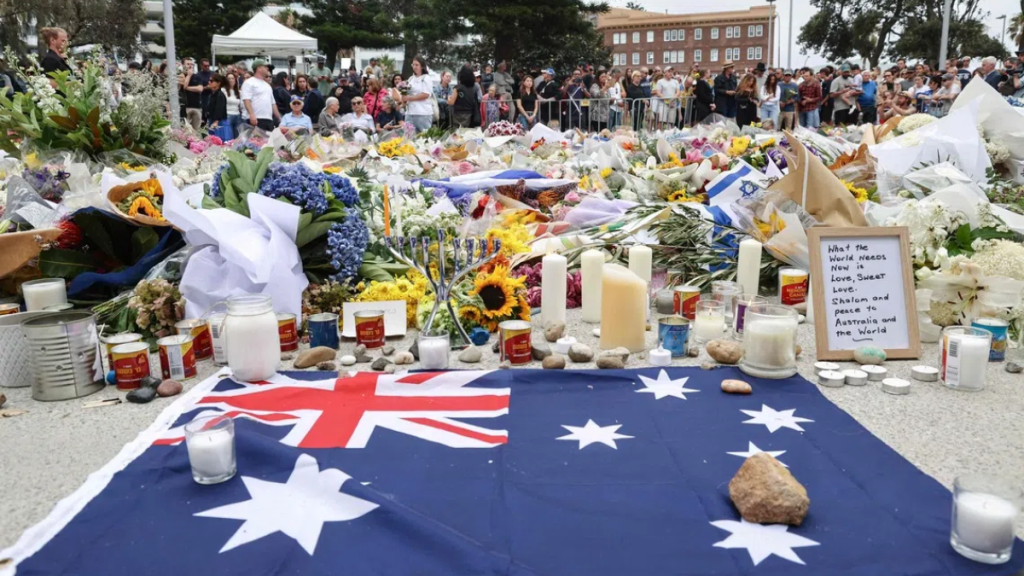
Australia’s federal government will launch a national gun buyback scheme following the Bondi attack, with Anthony Albanese saying it will be the largest weapons collection since the Port Arthur massacre. Costs will be shared between the Commonwealth and states, with firearms collected locally and destroyed under Australian Federal Police oversight. The move coincides with tougher…
-
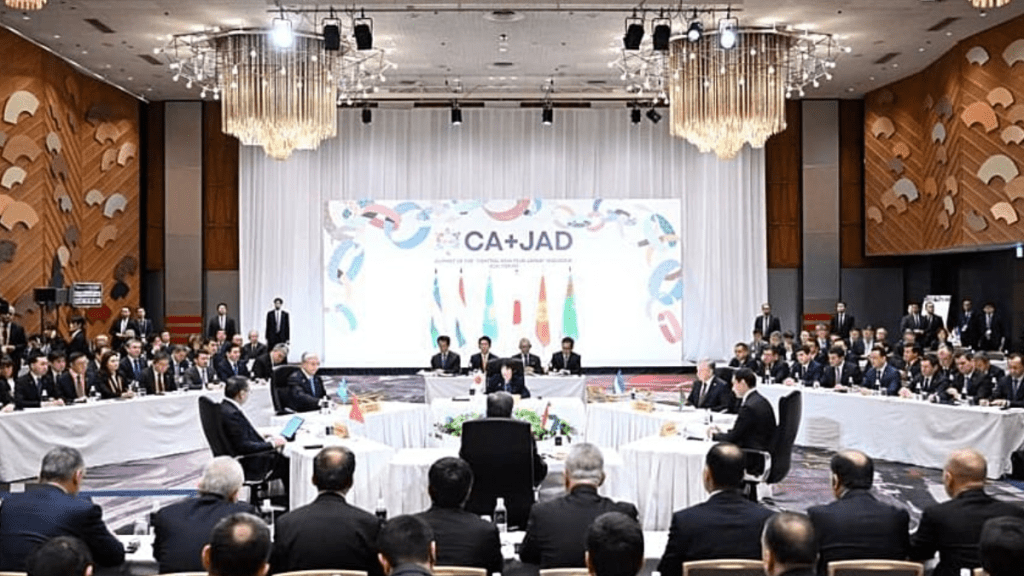
Central Asian leaders and Japanese Prime Minister Sanae Takaichi met in Tokyo for the first-ever leaders’ level C5+Japan summit, agreeing a framework to deepen political, economic and sectoral cooperation. A joint declaration identified shared priorities amid regional and global pressures, elevating a dialogue launched more than two decades ago. Key outcomes • Three priority areas:…
 tut0ugh