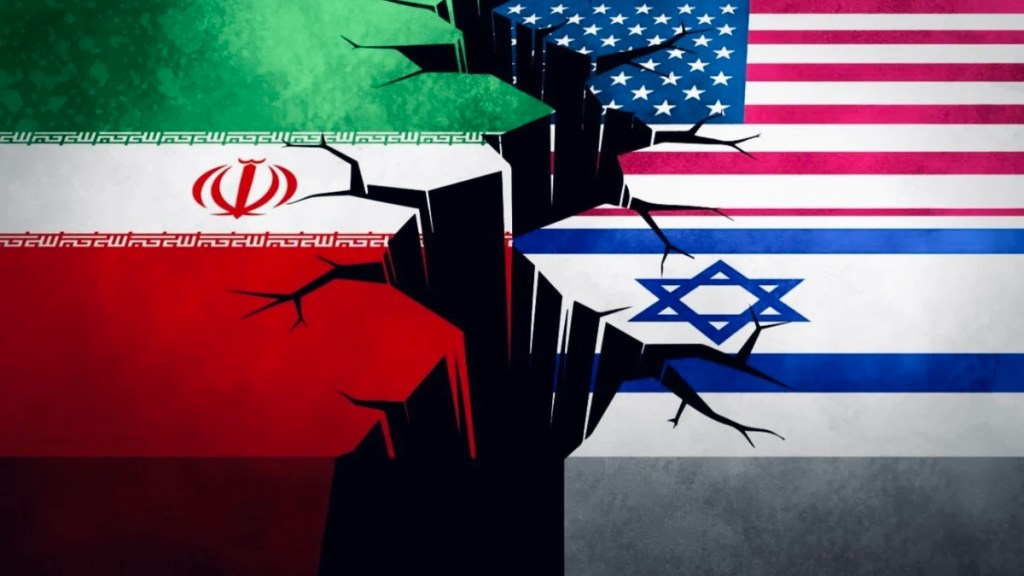
Israel and Iran exchanged strikes on Monday (8 Jun), marking the most serious test yet of a fragile ceasefire since April.
Iran’s Revolutionary Guards said “Zionist enemy used air-launched ballistic missiles to attack targets within our country’s territory.” State media reported explosions in Tehran, Tabriz and Isfahan.
The Israeli military said it targeted military sites in western and central Iran after Tehran launched missiles towards northern Israel. Iran described the attack as retaliation for an earlier Israeli strike in Beirut targeting the Iran-backed group Hezbollah.
In an effort to contain escalation, US President Donald Trump said he called Israeli Prime Minister Benjamin Netanyahu urging him not to retaliate. Netanyahu proceeded with strikes. In an FT interview, Trump said the escalation would not affect a US deal to reopen the Strait of Hormuz, stating: “I call the shots. I call all the shots. He doesn’t call the shots.”
Members of Netanyahu’s government and opposition called for strong action. Far-right national security minister Itamar Ben-Gvir wrote on X: “Tehran must burn”.
Meanwhile former prime minister Naftali Bennett, who is expected to be one of Netanyahu’s main challengers in an election this year, said on Monday that Israel was facing a “moment of truth” over whether it was “a sovereign state capable of defending itself”.
“A weak or symbolic response will signal to our enemies that the blood of our citizens has been spilled with impunity; therefore, Israel must act with strength and effectiveness,” he wrote on X.
Follow on social media TikTok@tut0ughInstagram@tut0ugh Threads@tut0ugh X@tut0ugh YouTube@tut0ugh


 tut0ugh