
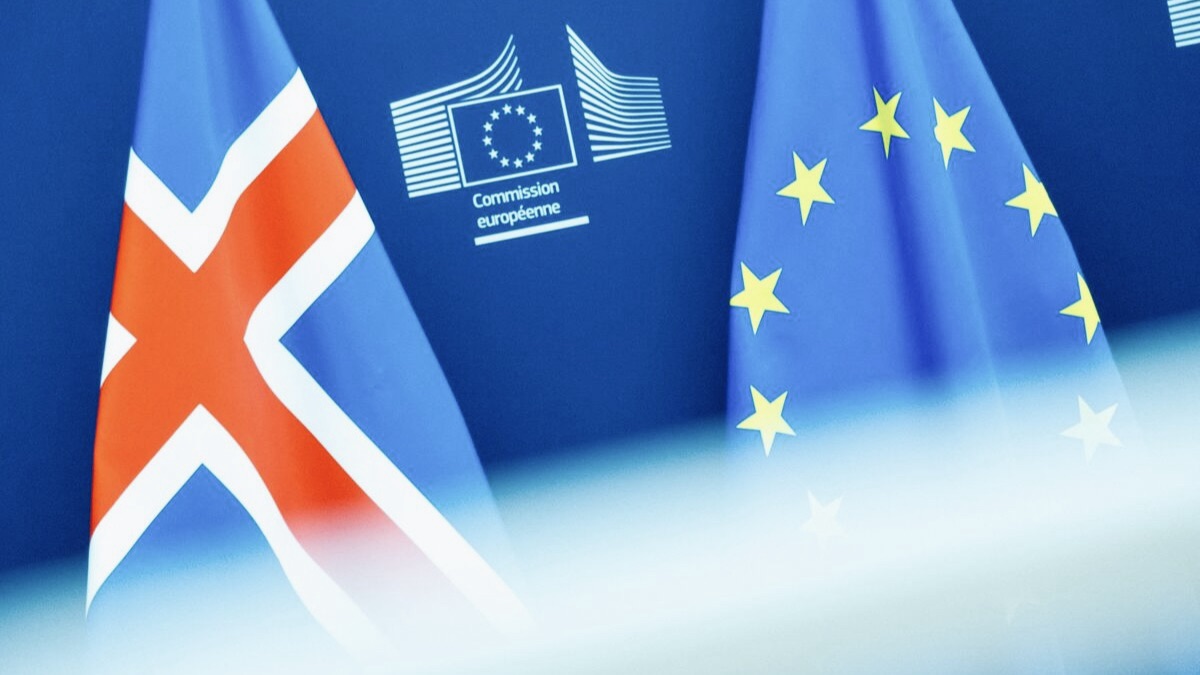
Iceland will vote on Saturday (29 Aug) on whether to resume negotiations to join the European Union, with the referendum deciding only if accession talks with Brussels should restart.
Prime Minister Kristrún Frostadóttir has said the vote is about securing a mandate to negotiate, while any final decision on EU membership would require a separate public vote.
“It is quite clear that this vote is about getting a mandate to negotiate,” Prime Minister Kristrún Frostadóttir said in the national parliament in May. “I do not think we should be getting hung up on rhetoric here. We are going to conclude a good agreement. The people will have the first say in this and they will have the last say in this.”
Opinion polls indicate a closely contested race, while issues such as fisheries, farming and economic sovereignty remain central to public debate. Fisheries are expected to be the most challenging area in any future accession talks due to concerns over the EU’s Common Fisheries Policy and Iceland’s control over its marine resources.
Geopolitically, the referendum carries significance beyond Iceland. A “Yes” vote would revive EU accession negotiations, strengthening momentum behind the bloc’s enlargement agenda while potentially expanding its strategic presence in the North Atlantic and Arctic.
A “No” vote would preserve Iceland’s current relationship with the EU through the European Economic Area, but could slow the EU’s enlargement agenda and leave Reykjavík to pursue closer cooperation with European partners outside full membership.
In either case, the result is likely to shape how Iceland positions itself amid evolving security, economic and strategic dynamics across the North Atlantic region.
ℹ️ Euronews
Follow on social media TikTok@tut0ughInstagram@tut0ugh Threads@tut0ugh X@tut0ugh YouTube@tut0ugh


