
Category: Asia-Pacific
Coverage of geopolitics, international relations, and current affairs from across Asia-Pacific, including China, India, Southeast Asia, and Pacific nations, with a focus on security, trade, and regional diplomacy.
-
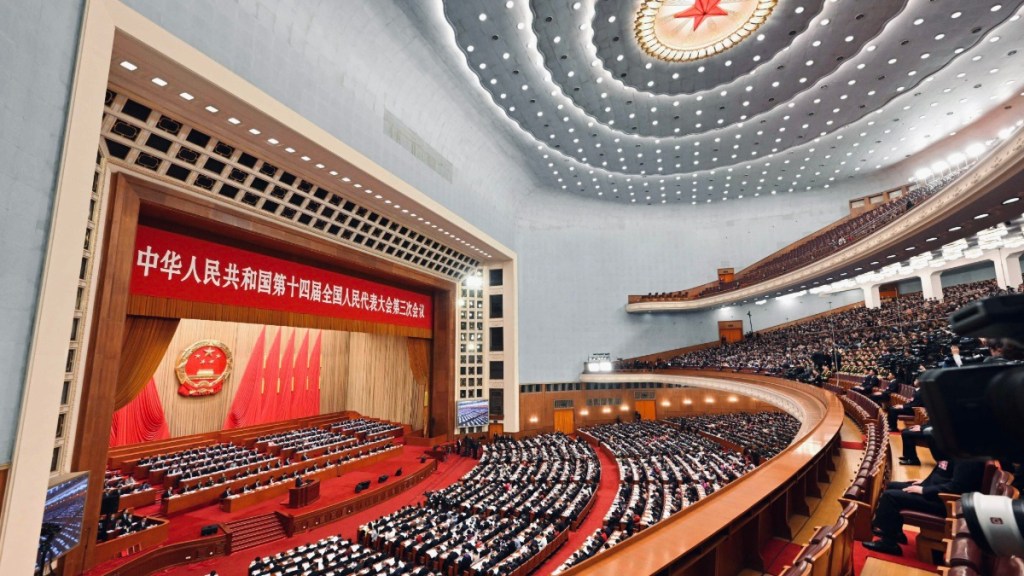
China has set its lowest annual growth target since 1991, aiming for 4.5%-5% in 2026 amid domestic and global challenges. The announcement came during the country’s annual “two sessions” political meetings, alongside preliminary details of the 15th Five Year Plan. Premier Li Qiang highlighted investments in innovation, high-tech industries, AI, green energy, and household consumption…
-
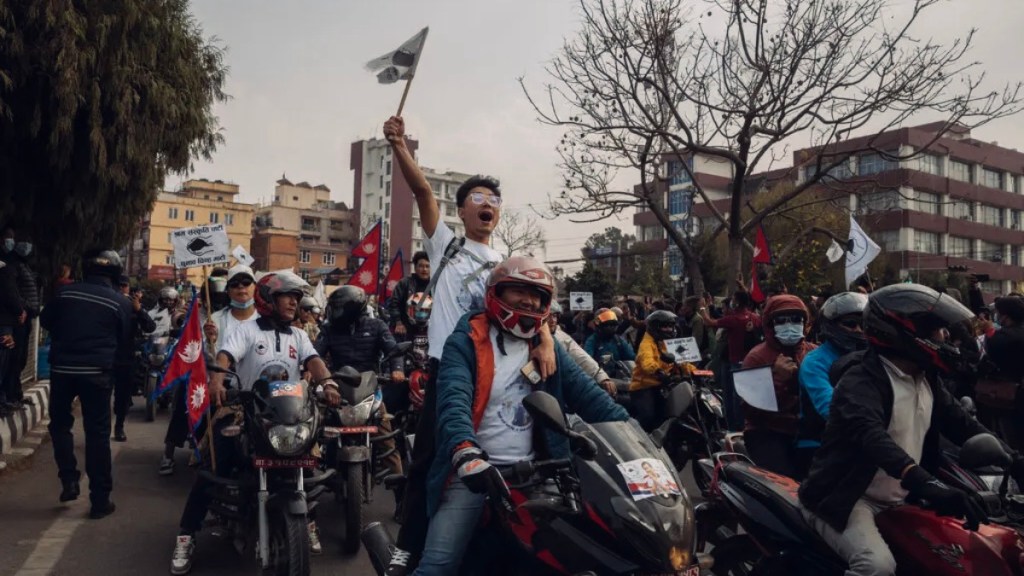
Nepal is voting in a pivotal national election, the first since the September 2025 Gen Z protest movement that forced the resignation of former prime minister K.P. Sharma Oli. The vote reflects widespread public frustration over corruption, economic stagnation and political instability. Many voters say the result will determine whether young Nepalis see a future…
-
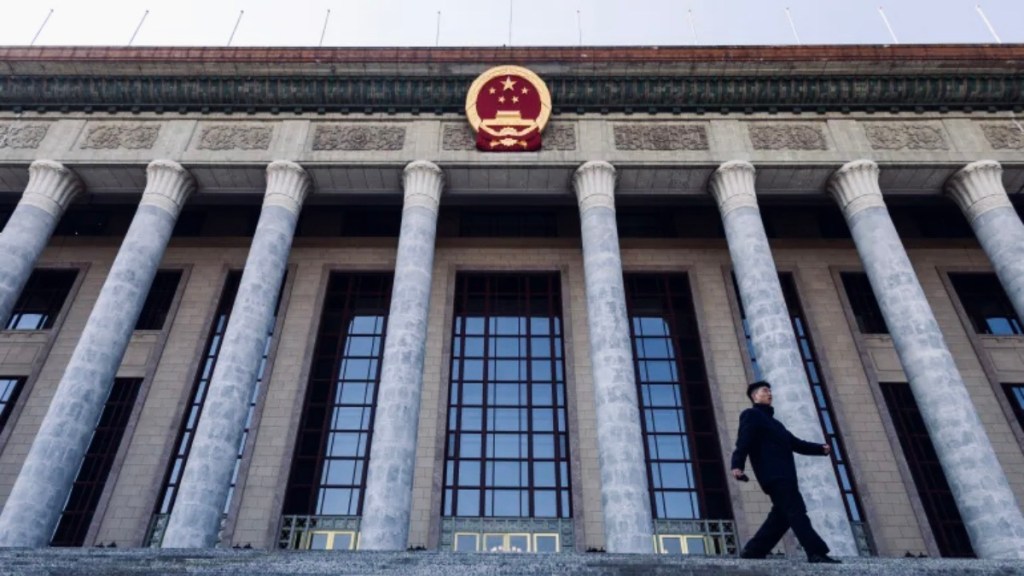
China is set to unveil its 15th Five-Year Plan (2026–2030) at the annual session of the National People’s Congress in Beijing. The week-long meeting at the Great Hall of the People runs alongside the Chinese People’s Political Consultative Conference, collectively known as the “Two Sessions”. Key developments expected: • A 2026 GDP growth target of…
-
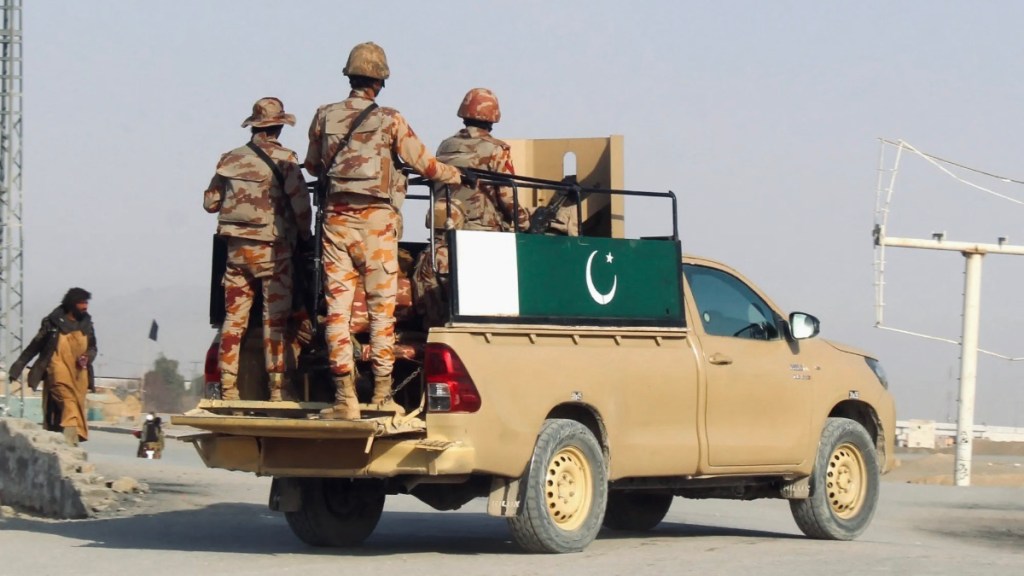
Tens of thousands have fled renewed Afghanistan–Pakistan border clashes, according to the United Nations. The UN World Food Programme (WFP) said around 20,000 families — roughly 160,000 people — have been displaced, with emergency food aid suspended in several provinces already facing acute malnutrition. Fighting escalated after Afghan forces launched a border offensive following earlier…
-
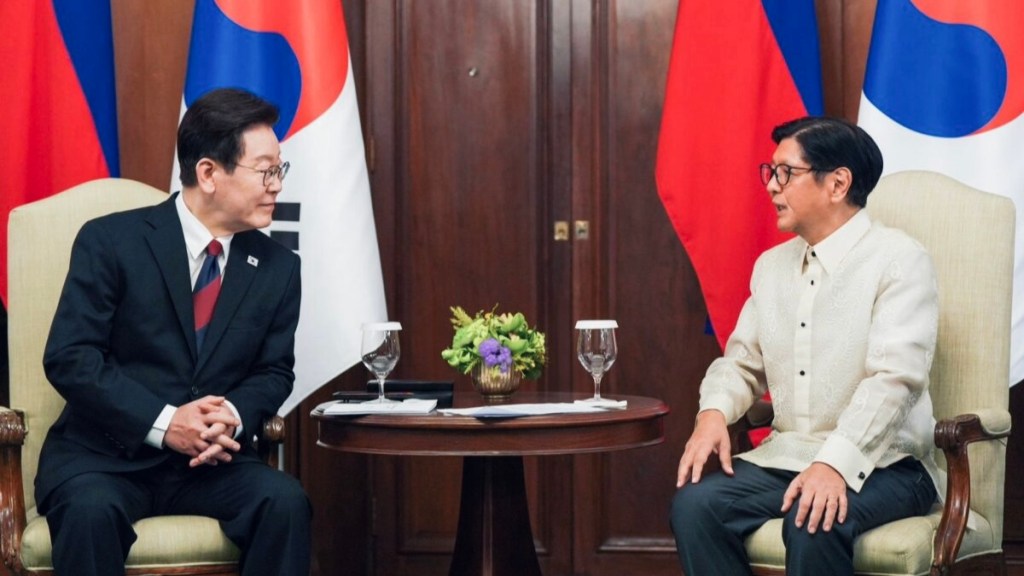
President of the Philippines Ferdinand Marcos Jr. and Republic of Korea (ROK) President Lee Jae Myung agreed to broaden bilateral ties beyond trade and investment during summit talks in Malacañang on Tuesday (3 March). The discussions focused on strategic cooperation amid shifting global dynamics. Ten Memorandums of Understanding (MOUs) were signed across sectors including defense,…
-
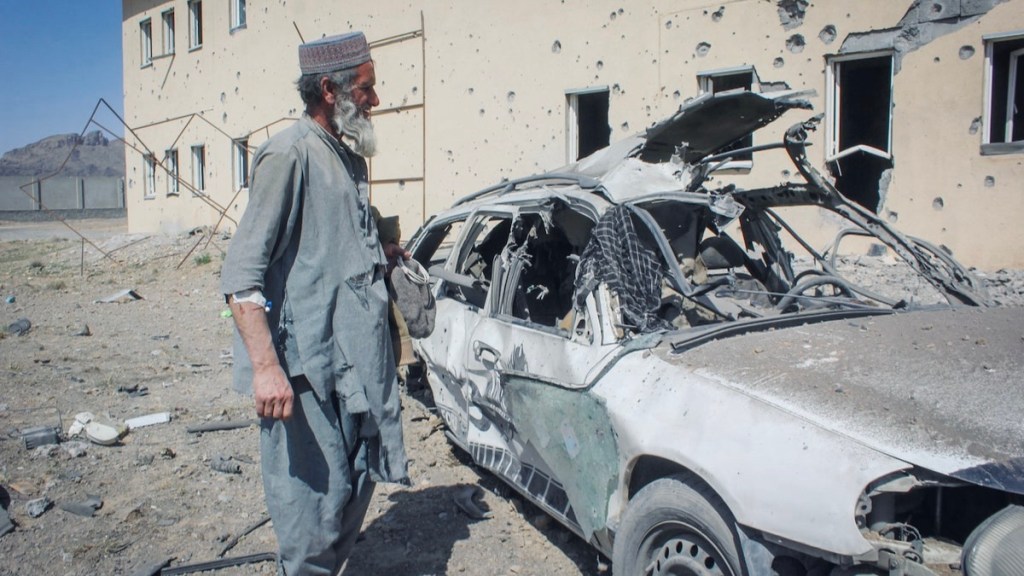
Afghanistan and Pakistan said on Monday (2 March) their militaries had targeted each other’s border posts as clashes entered a fifth day, marking the heaviest fighting in years along their 2,600km frontier. The escalation began after the Taliban defence ministry described its strikes as retaliation for Pakistani operations against militants inside Afghanistan. Both sides report…
-
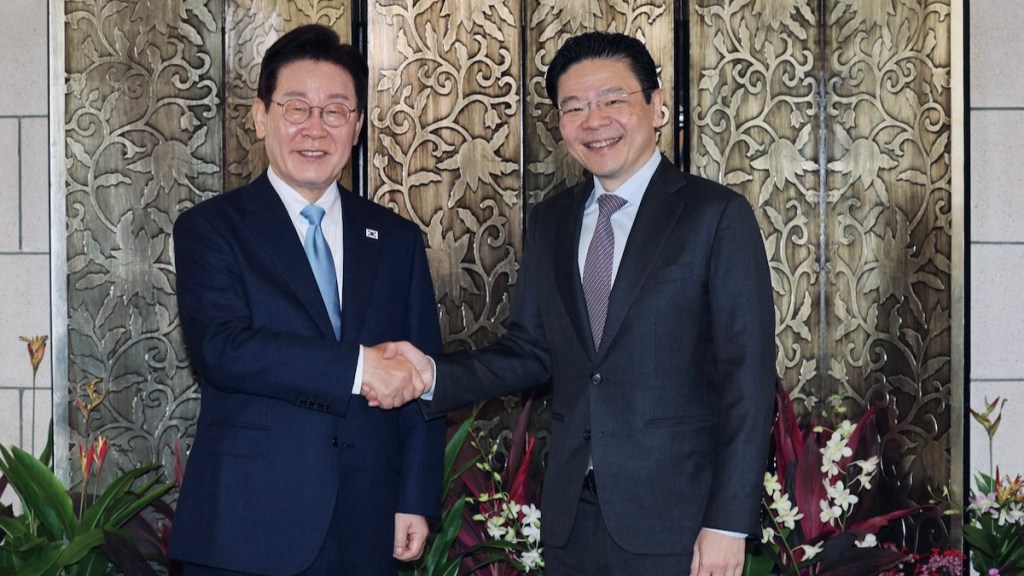
South Korea and Singapore have agreed a formal artificial intelligence (AI) cooperation framework, strengthening research, venture investment and industry ties. The agreement followed the Korea–Singapore AI Connect Summit during President Lee Jae-myung’s state visit. Key developments include: • A ₩50bn five-year international AI joint research programme from 2027, led by the Ministry of Science and…
-
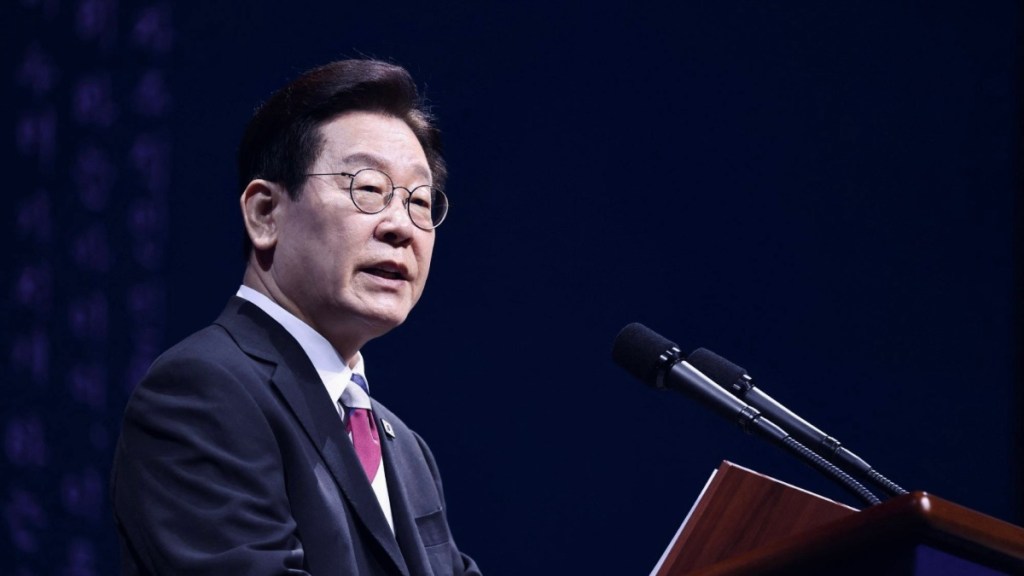
South Korean President Lee Jae Myung has pledged measures to ensure citizens “more strongly feel” the benefits of improving South Korea–Japan relations. Speaking at the 107th anniversary of the 1919 Independence Movement, Lee emphasised forward-looking cooperation with Japan, avoiding direct criticism over historical disputes. It marked his first address at the annual ceremony since taking…
-
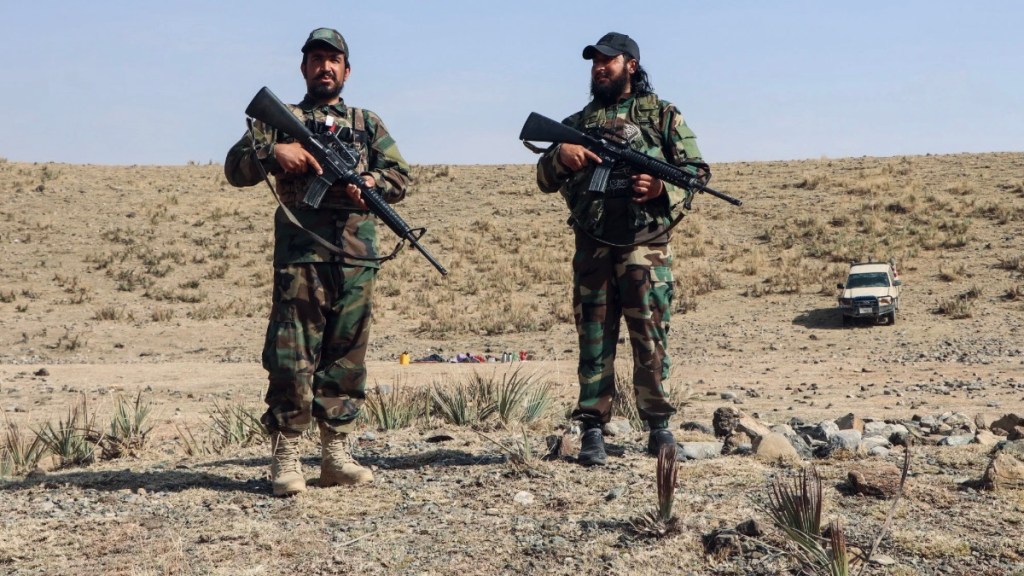
Fighting between Pakistan and Afghanistan’s Taliban authorities entered a third day on Saturday (28 February), escalating tensions along the 2,600km Pakistan–Afghanistan border. Pakistani strikes reportedly hit Taliban military sites in Kabul and Kandahar, marking one of Islamabad’s deepest incursions in years. Pakistan accuses the Taliban of harbouring Tehreek-e-Taliban Pakistan (TTP) militants — an allegation Kabul…
-
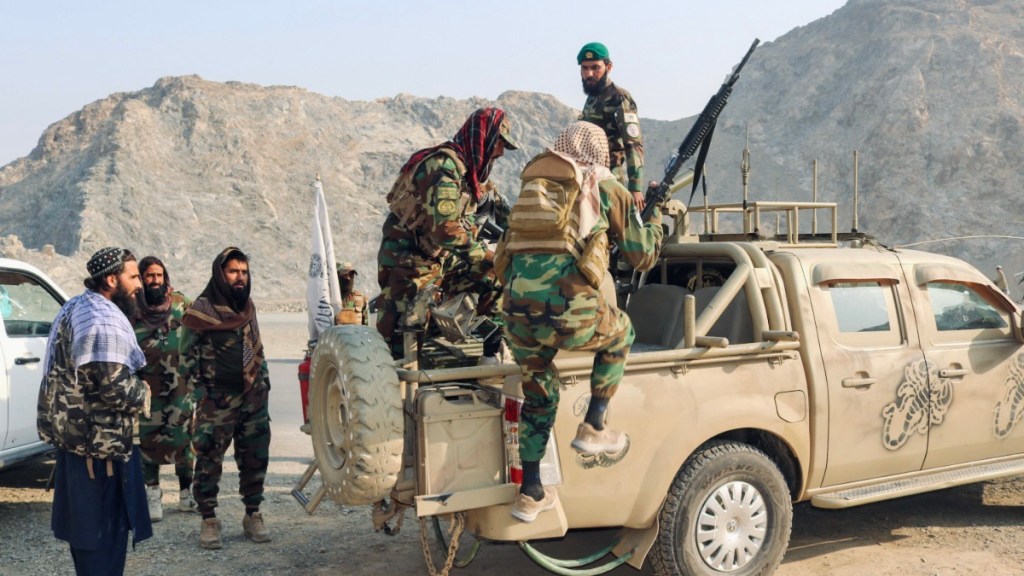
Pakistan’s Defence Minister Khawaja Mohammad Asif said early Friday (27 February) that Islamabad now considers itself in “open war” with Afghanistan following cross-border strikes. In his post on X, Pakistan’s Defence Minister Khawaja Mohammad Asif said that after the NATO withdrawal “it was expected that there would be peace in Afghanistan,” but alleged the Taliban…
 tut0ugh