
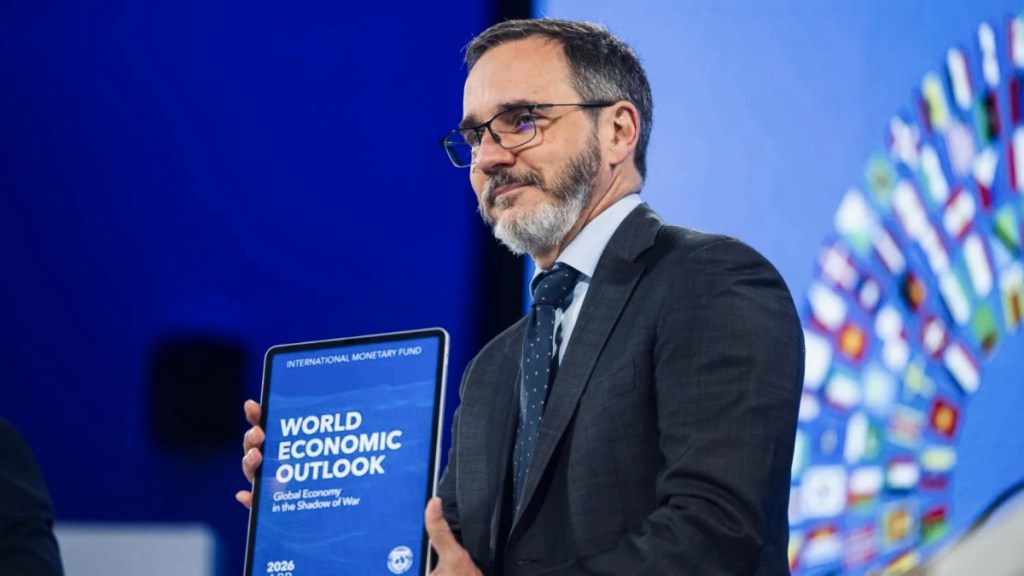
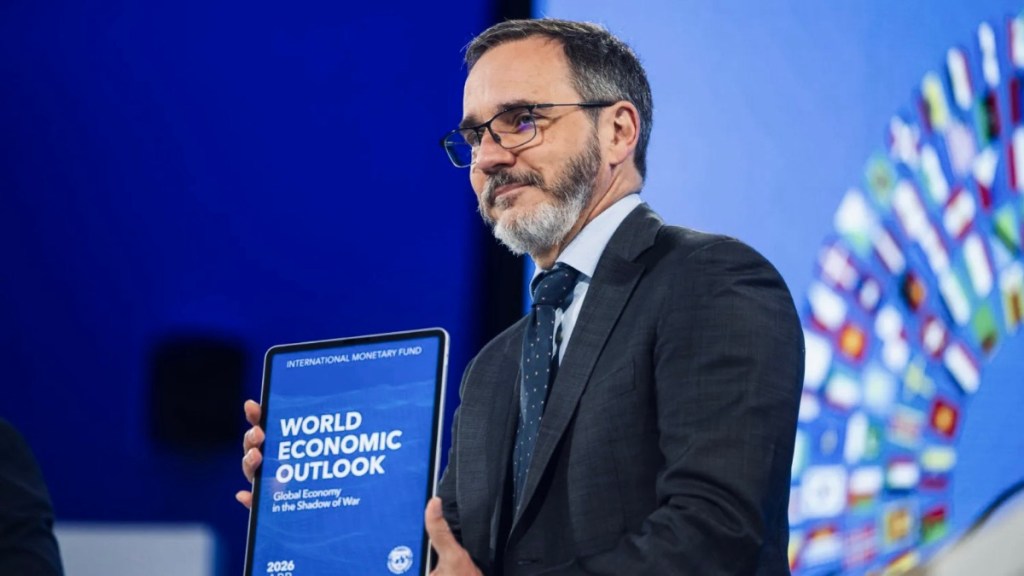
The International Monetary Fund has warned that disruptions in the Middle East could trigger a global energy shock, with Chief Economist Pierre-Olivier Gourinchas highlighting the risk of “a major energy crisis should a durable solution not be found soon.”
He noted that “oil and gas prices have increased sharply”, alongside key inputs such as diesel, fertiliser, aluminium and helium, signalling broad-based cost pressures across the global economy.
The IMF said the shock will transmit through three main channels: rising commodity costs acting as a supply shock, potential wage-price spirals, and tighter financial conditions including capital outflows and higher risk premiums.
• Baseline: Global growth at 3.1%; inflation at 4.4% (2026)
• Adverse: Growth slows to 2.5%; inflation rises to 5.4%
• Severe: Growth at 2%; inflation exceeds 6%
• Energy prices projected to rise by 19% under a short-lived conflict
The IMF warned risks are “clearly very elevated”, with low-income energy importers most exposed, while Gulf economies face the most severe direct impact.
ℹ️ IMF
Follow on social media TikTok@tut0ughInstagram@tut0ugh Threads@tut0ugh X@tut0ugh YouTube@tut0ugh


 tut0ugh