
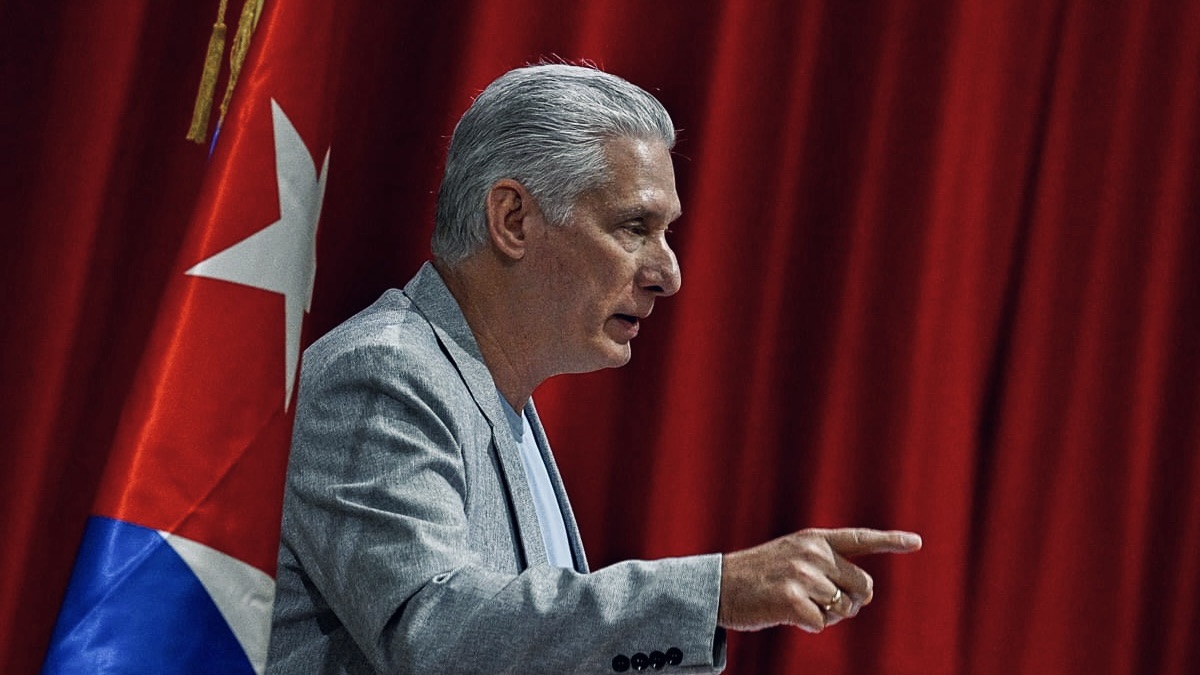
Cuban President Miguel Díaz-Canel has called for “urgent and necessary changes” to the country’s economic model, acknowledging that internal inefficiencies, alongside external pressures, have contributed to Cuba’s prolonged economic crisis.
Addressing the Communist Party Central Committee, Díaz-Canel said bureaucracy, delayed decision-making and regulations restricting production must be addressed as the government advances reforms aimed at expanding the private sector and attracting investment.
Key developments:
- Díaz-Canel said Cuba’s crisis cannot be attributed solely to US sanctions and oil restrictions.
- Proposed reforms include measures to encourage private enterprise and overseas Cuban investment.
- The President referenced China and Vietnam as examples of countries that have combined socialist governance with market-oriented economic reforms.
The proposals are expected to be considered by the National Assembly as Cuba seeks to stabilise its economy amid shortages of food, fuel, medicine and electricity. While some business owners welcomed the reforms, others remained sceptical about whether they will produce meaningful long-term change.
ℹ️ Euronews
Follow on social media TikTok@tut0ughInstagram@tut0ugh Threads@tut0ugh X@tut0ugh YouTube@tut0ugh


