
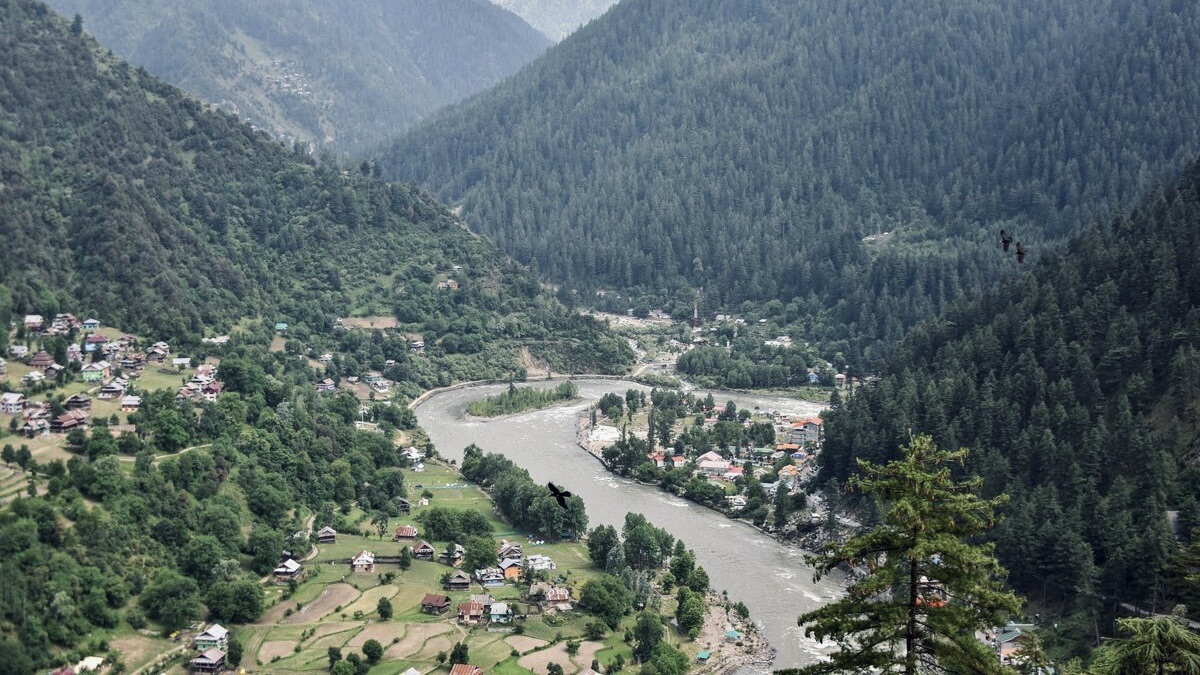
The Permanent Court of Arbitration in The Hague has ruled that the Indus Waters Treaty remains fully in force, finding that India cannot unilaterally suspend the 1960 water-sharing agreement.
“India must observe its obligations under the Treaty, including those relating to the design and operation of its hydro-electric projects on the Western Rivers,” the intergovernmental court said.
The decision follows India’s move to place the treaty in abeyance in 2025 after a deadly attack in Indian-administered Kashmir, which New Delhi blamed on Pakistan. Islamabad has denied the allegation.
India rejected the ruling, with its Ministry of External Affairs saying the tribunal was “illegally constituted” and had no jurisdiction over its sovereign decisions.
“This so-called Court of Arbitration has no jurisdiction whatsoever to pronounce on India’s sovereign decisions,” The Ministry added: “Its pronouncements, now or in the future, will have no effect on India’s actions in connection with the projects being undertaken by India.”
Meanwhile, Deputy Prime Minister and Foreign Minister Ishaq Dar welcomed the judgment, while Prime Minister Shehbaz Sharif reiterated that Pakistan’s water resources are a “red line”, warning of a strong response to any threat to the country’s water security.
The Indus river system supplies water to around 80% of Pakistan’s irrigated agriculture, underpinning production of key crops including wheat, rice and cotton, while also supporting most of Pakistan’s hydropower generation. Millions of people across Punjab and Sindh depend on the basin for farming, drinking water and economic activity, making any disruption to river flows a significant national concern.
Attention now turns to whether the ruling will have any practical effect, as India continues to reject the tribunal’s authority. A World Bank-appointed neutral expert is expected to determine by July 2027 whether disputed hydroelectric projects comply with the treaty, while the broader diplomatic dispute over the agreement is likely to continue.
ℹ️ Al Jazeera, Reuters, DW News
Follow on social media TikTok@tut0ughInstagram@tut0ugh Threads@tut0ugh X@tut0ugh YouTube@tut0ugh


