
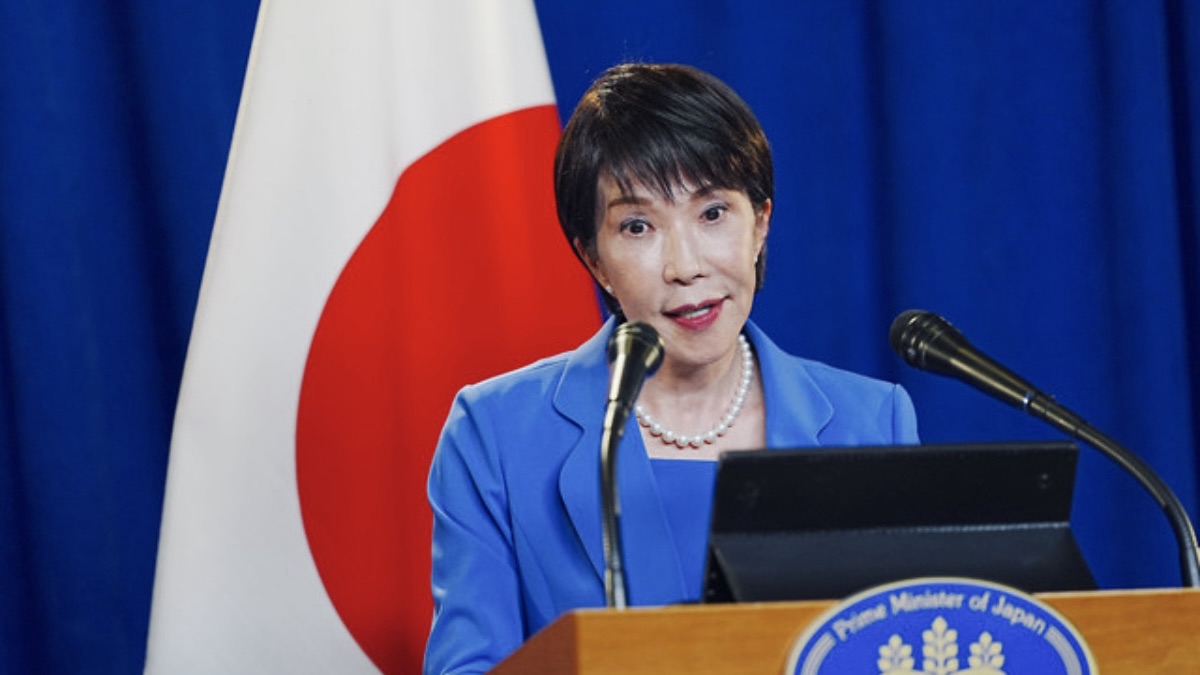
Japan has held the first meeting of an expert panel tasked with strengthening the country’s intelligence capabilities and anti-espionage measures, as Prime Minister Sanae Takaichi advances national security reforms.
Takaichi said the initiative reflects growing regional security challenges, citing China’s and North Korea’s military developments, as well as closer cooperation between China and Russia and Russia and North Korea.
“Strengthening Japan’s intelligence capabilities is an urgent priority,” Takaichi said at the end of a closed-door meeting of the 17-member panel Monday (28 Sep). Reporters were allowed in to hear her final comments.
“In the region surrounding Japan, China and North Korea are strengthening their military capabilities, while we are also seeing closer cooperation between China and Russia, as well as between Russia and North Korea,” she said.
Key developments:
- Japan established a National Intelligence Bureau in July to coordinate national security intelligence.
- Takaichi aims to create an independent intelligence agency by March 2028.
- The government is pursuing anti-espionage legislation and stronger protections against technology theft, disinformation and foreign influence.
- A separate review process for foreign investment and a future counter-terrorism expert panel are also planned.
Japan’s push for a stronger independent intelligence capability reflects a broader shift in its security policy as competition between major powers intensifies across the Indo-Pacific.
While Japan has long relied on intelligence cooperation with allies, including the United States, expanding its own capabilities could strengthen its ability to respond to espionage, foreign influence and emerging security risks.
ℹ️ Bloomberg
Follow on social media TikTok@tut0ughInstagram@tut0ugh Threads@tut0ugh X@tut0ugh YouTube@tut0ugh


