
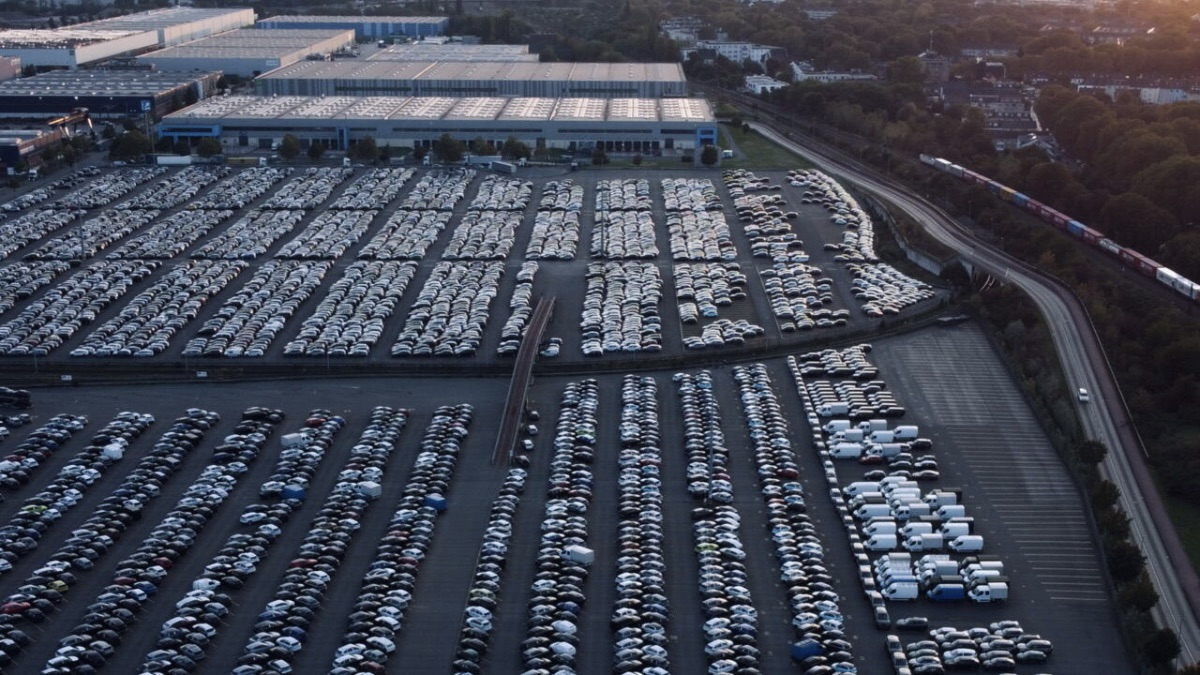
France and Germany have agreed on a common approach to support the future of the European automotive industry, combining climate goals with measures to boost investment, innovation and industrial competitiveness.
The proposal aims to maintain the EU’s CO₂ reduction targets while providing greater regulatory flexibility to reflect market conditions and technological developments.
Key developments:
- France and Germany are calling for incentives to support electric vehicle production, research and development, and resilient supply chains.
- The countries want to strengthen Europe’s industrial base and technological sovereignty in the global automotive transition.
- The approach seeks to protect jobs while ensuring future vehicles are increasingly produced within Europe.
The two governments said they will work with European Union partners to reach an agreement, with the goal of creating a competitive and decarbonised automotive sector.
Europe’s automotive industry has faced mounting pressure in recent years from rising energy costs, supply chain disruptions, intensifying competition from Chinese electric vehicle manufacturers, and the transition away from internal combustion engines.
At the same time, European carmakers have had to balance ambitious climate targets with maintaining profitability, protecting skilled manufacturing jobs and securing investment in battery production and critical supply chains.
The Franco-German initiative reflects growing recognition that preserving Europe’s industrial competitiveness will require coordinated policies that support innovation, production and the shift to cleaner mobility while competing in an increasingly contested global market.
ℹ️ Élysée / Presidency of the French Republic
Follow on social media TikTok@tut0ughInstagram@tut0ugh Threads@tut0ugh X@tut0ugh YouTube@tut0ugh


