
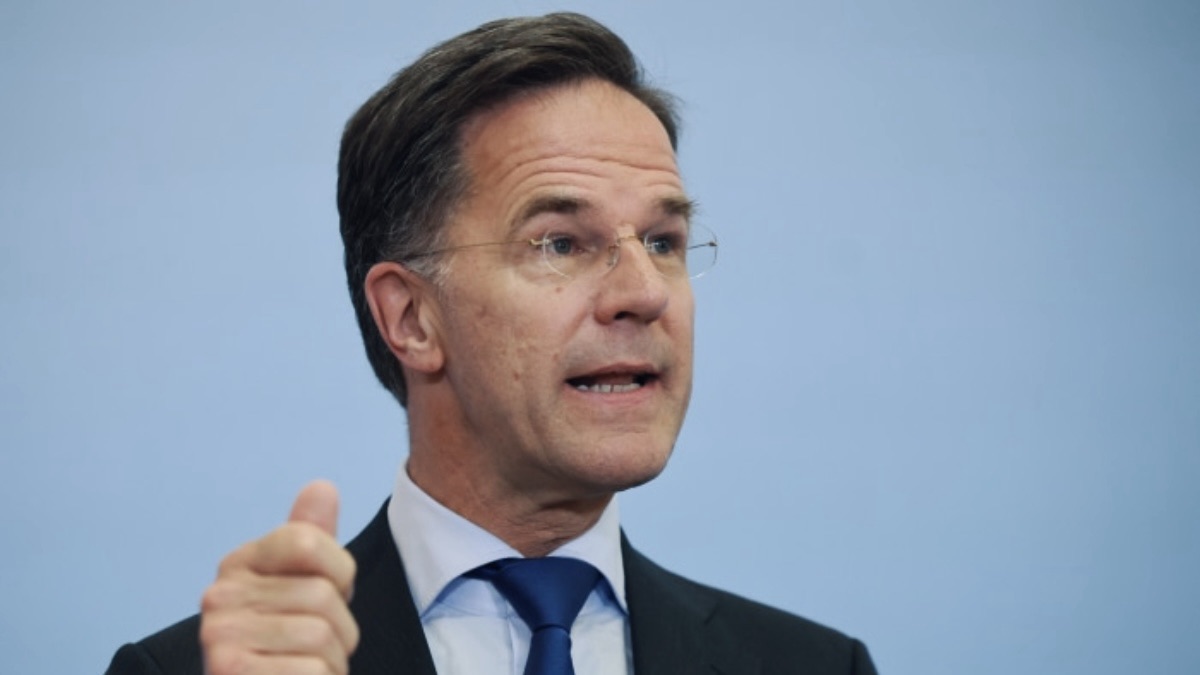
NATO Secretary General Mark Rutte has rejected suggestions that transatlantic relations are at their weakest point in decades, arguing that the alliance is entering a new phase of greater European responsibility ahead of the 2026 NATO Summit in Ankara.
Speaking in an interview with The Wall Street Journal, Rutte dismissed concerns over the alliance’s cohesion, saying, “I have a totally different view. I think they are very strong.” He described the alliance’s evolution as “NATO 3.0”, with European members and Canada assuming a greater share of responsibility for collective defence.
Rutte said Europe and Canada have added around US$250 billion in defence spending over the past two years, calling the increase “massive” while acknowledging that military expansion is constrained by the availability of personnel and defence industrial capacity. He added that allies are “reaching the absorption capacity levels”, underscoring the practical limits of rapidly increasing defence capabilities.
Addressing differences among member states, Rutte argued that debate is a strength rather than a weakness, stating, “This is an alliance of democracies,” and adding that “sometimes you have tough debates, but then you find a way forward.”
The 2026 NATO Summit in Ankara on 7–8 July is expected to focus on reaffirming Article 5 collective defence, increasing defence investment, expanding defence industrial production, strengthening deterrence and agreeing continued long-term support for Ukraine, as leaders seek to reinforce the alliance’s security posture amid evolving geopolitical challenges.
ℹ️ WSJ
Follow on social media TikTok@tut0ughInstagram@tut0ugh Threads@tut0ugh X@tut0ugh YouTube@tut0ugh


